
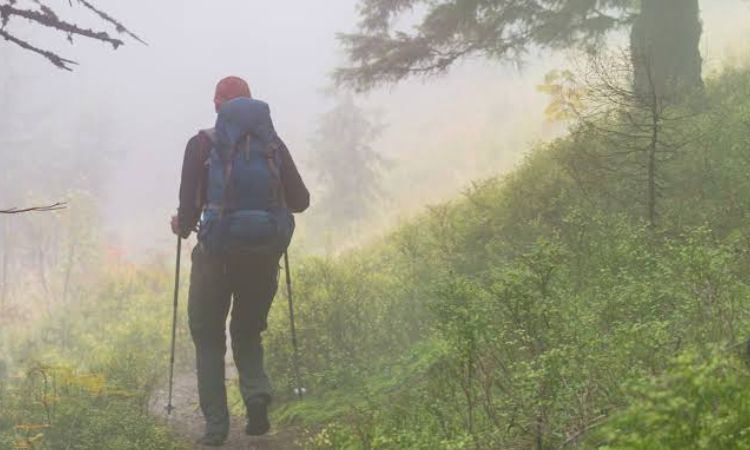
Wet Season Adventures in Uganda: Why the Rainy Season Is Worth Booking
Wet season adventures in Uganda get overlooked far too often, with most travelers defaulting straight to the dry-season months without realizing what the rainy season actually offers: lush, emerald landscapes, dramatically fewer crowds, genuinely lower prices, and — for a handful of activities — better wildlife viewing than the dry season itself.
This guide covers everything you need to know about planning a rainy season safari in Uganda, from gorilla trekking in the rain to birdwatching at its absolute peak.
When Is Uganda’s Wet Season?
Uganda’s climate follows a bimodal rainfall pattern, meaning the country experiences two distinct rainy seasons each year: the long rains from March to May, and the short rains from September to November.
Rainfall varies significantly by region, highland and mountainous areas like Bwindi Impenetrable National Park and the Rwenzori Mountains see considerably more rain than the drier savanna stretches of Murchison Falls and Kidepo Valley in the north.
Our full Uganda weather guide breaks down the monthly rainfall patterns region by region if you’re mapping your wet season Uganda itinerary around specific parks.
Gorilla Trekking During the Wet Season: Does Rain Cancel Your Trek?
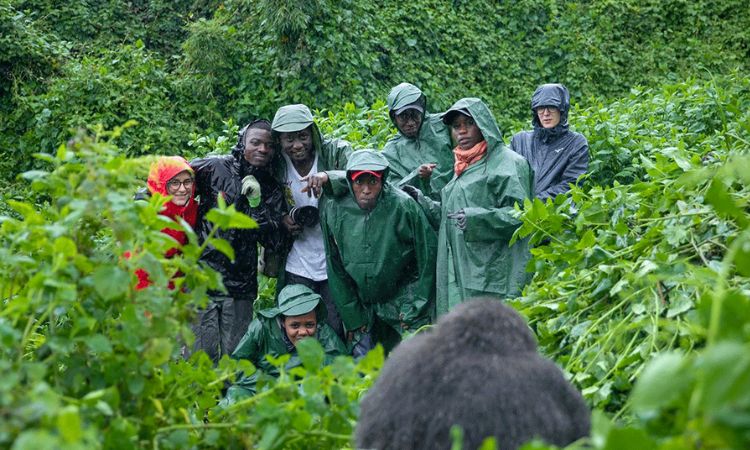
One of the most common questions travelers ask before booking a wet season gorilla trekking adventure is whether rain actually stops the trek. It doesn’t. Gorilla trekking in Uganda is never cancelled due to rain — it proceeds on schedule in all rainfall conditions, with only an active lightning storm capable of causing a temporary halt at the ranger guide’s discretion.
Trackers begin locating the gorilla family the night before, following their trail from the previous day’s resting spot, so a rainy morning doesn’t meaningfully reduce your odds of a successful sighting.
What genuinely changes during the rainy season gorilla trek is the terrain — trails turn muddier and the hike becomes more physically demanding, so proper waterproof boots and a poncho matter more than during the dry months.
In exchange, you get two significant advantages: gorilla permit availability improves dramatically, since popular sectors like Buhoma and Rushaga can sell out months ahead during peak dry season, and lodge rates around Bwindi drop to their lowest point of the year, with many properties offering their best discounts specifically during this off-peak window.
Our detailed guide on what happens if it rains during gorilla trekking covers exactly what to expect on a wet trekking day, while our full breakdown of the best time to go gorilla trekking compares rainy versus dry season trekking in more depth.
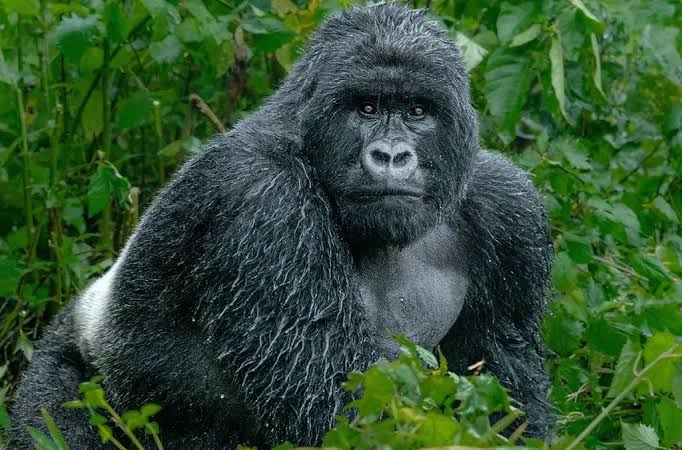
Budget Wet Season Gorilla Safaris
If cost is your priority, wet season adventures genuinely shine here. Gorilla permits during the rainy season can effectively become more accessible thanks to lower demand, and combined with steep off-peak lodge discounts, a budget Uganda gorilla safari booked during the wet months can represent significant real savings over the same trip in June or December.
Our guide to budget Uganda gorilla safaris covers exactly how to structure a lower-cost itinerary around these rainy-season savings.
Birdwatching: Uganda’s Wet Season Peak Season
If there’s one activity where the rainy season is genuinely the best time to visit, it’s birdwatching. Uganda’s wet seasons — March to May and September to November — coincide precisely with the arrival of Palearctic and intra-African migratory birds, meaning the country’s already remarkable bird count swells even further during these exact months.
Wetlands like Mabamba Swamp near Entebbe and parks like Queen Elizabeth National Park host species such as the Eurasian Marsh Harrier and Abdim’s Stork specifically during this migratory window, while Bwindi’s misty, rain-fed forest trails remain prime territory for Albertine Rift endemics like the African Green Broadbill and Rwenzori Turaco. Our complete guide to birds of Uganda covers the best wet-season birding trails and locations in far more depth.
Wildlife Viewing and the Big Five During the Wet Season
While the dry season generally offers easier Big Five viewing thanks to animals concentrating around limited water sources, the wet season safari still delivers genuinely rewarding wildlife encounters — with the added bonus of newborn calves across many species and dramatically lusher, greener landscapes for photography.
Murchison Falls National Park’s elephant herds, Lake Mburo’s more intimate buffalo sightings, and Kidepo Valley’s rugged wilderness herds remain active and visible year-round, even if spotting takes slightly more patience once vegetation thickens. Our guide to the Big Five animals of Africa covers exactly where and how to find each species across every season.
What to Pack for Wet Season Adventures in Uganda
Packing correctly makes a genuine difference to how much you enjoy a rainy season safari in Uganda. Beyond the obvious rain jacket or poncho, insect repellent becomes even more essential during the wet months, since Uganda’s humid rainy-season conditions bring out considerably more mosquitoes and other biting insects than the drier months.
Waterproof, shock-resistant camera gear is worth prioritizing too, given both the rain itself and the bumpier, muddier terrain you’ll be covering on game drives and treks alike. Our full Uganda safari packing list covers every essential item for wet-season travel in detail.
Combining Wet Season Adventures with Other Uganda Highlights
A wet season Uganda itinerary doesn’t need to center exclusively on gorillas or birds — it’s also an excellent time to explore attractions that don’t depend heavily on dry trails, such as a stop at the Uganda Equator en route between Kampala and western Uganda’s parks, or a full multi-park itinerary like our 6 Days Budget Uganda Safari, which combines gorilla trekking, tree-climbing lions in Queen Elizabeth’s Ishasha sector, and chimpanzee tracking in Kibale Forest — all genuinely doable, and often cheaper, during the rainy months.
Why Wet Season Adventures Are Worth Considering
If rain has been the thing holding you back from booking a Uganda safari, it shouldn’t be. Come prepared, come ready to walk through some mud, and you’ll find wet season adventures in Uganda deliver lush, vivid scenery, dramatically fewer crowds at every major sighting, meaningful savings on permits and lodging, and — for birders especially — genuinely the best wildlife viewing window of the entire year.
FAQ: Wet Season Adventures in Uganda
When is Uganda’s wet season? March to May (long rains) and September to November (short rains).
Does gorilla trekking still happen during the rainy season? Yes — gorilla trekking is never cancelled due to rain and proceeds on schedule in all rainfall conditions.
Is the wet season cheaper for a Uganda safari? Yes — gorilla permits are easier to secure and lodges typically offer their lowest rates of the year during the rainy season.
What is the best wet season activity in Uganda? Birdwatching — the wet seasons coincide directly with the arrival of migratory bird species, making March–May and September–November the peak birding window.
What should I pack for a wet season safari? A waterproof rain jacket or poncho, sturdy waterproof boots, extra insect repellent, and shockproof, weatherproof camera gear.