What Happens If It Rains During Gorilla Trekking?
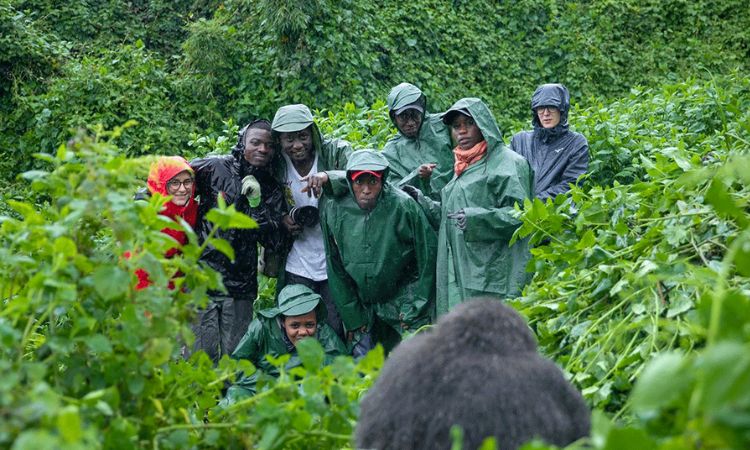
Gorilla trekking does not stop when it rains. Rain never cancels a gorilla trek. Whether it drizzles or pours, you still enter the forest at the scheduled time, follow your ranger guide to the gorilla family, and spend your full one-hour habituation with the gorillas.
Rain is a normal and frequent condition inside Bwindi Impenetrable National Park and Mgahinga Gorilla National Park, both tropical rainforests where rainfall is expected and the gorillas are completely unfazed by it. What changes when it rains is your experience of the trek itself, not the outcome.
If you have a gorilla trekking safari booked and rain is the thing worrying you, read on. This guide covers exactly what to expect when it rains during gorilla trekking in Uganda, how to prepare, and why a rainy gorilla trek is often more memorabl, not less, than a dry one.
Gorilla Trekking in the Rain: What Actually Happens
The Trek Begins Regardless of Weather
Every morning at Bwindi Impenetrable National Park, trekkers assemble at the park headquarters at 7 AM sharp for the pre-trek briefing. This briefing happens whether the sky is clear, overcast, or already raining.
After the briefing, groups of maximum eight visitors set off into the forest with their assigned Uganda Wildlife Authority ranger guides.
Rain does not alter this schedule. There is no holding room, no rain delay, and no alternative activity offered instead. The only weather event that can genuinely affect gorilla trekking in Uganda is an active electrical storm with lightning and even then, the decision to pause is rare and made by the ranger guide on the ground, not by the tour operator or park administration.
The gorillas themselves give you no reason to postpone. Mountain gorillas live permanently in the forest across all seasons. They move, feed, rest, play, and sleep in the rain just as they do in sunshine.
A light rainfall often sees the gorillas huddled together under the forest canopy, which can actually mean a more concentrated, closer encounter than on days when the family spreads out across a wide foraging area.
The Trail Changes — But That Is Part of the Experience
What rain genuinely changes is the condition of the trail. Forest paths inside Bwindi become wet, muddy, and slippery when it rains. Loose volcanic soil, common in the montane forest zones — turns slick. Stream crossings become muddier. Vegetation that brushes against your clothing is wet throughout.
For trekkers who have prepared correctly with the right gear, none of this is a serious obstacle. It slows the pace, adds a physical dimension to the climb, and makes porter assistance more valuable.
For trekkers who have arrived unprepared in canvas trainers, carrying expensive camera equipment without waterproofing, wearing jeans, a rainy gorilla trek becomes uncomfortable and potentially damaging to equipment.
The difference between a great rainy gorilla trek and a miserable one is almost entirely preparation.
How to Prepare for Rain on a Gorilla Trek
Waterproof Hiking Boots Are Non-Negotiable
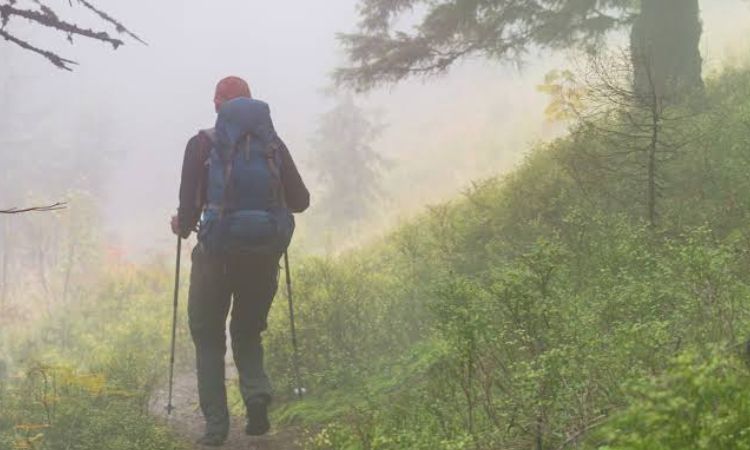
This is the most important piece of equipment for a gorilla trek in any weather, and essential in rain. Your boots must be waterproof, ankle-supporting, and broken in before the trek day. Wet feet on a steep forest trail for four to eight hours causes blisters, discomfort, and misery.
Do not attempt a gorilla trek, rainy or otherwise in canvas trainers, sandals, or any footwear that is not waterproof and ankle-supporting.
Pack a Quality Rain Poncho or Waterproof Jacket
A rain poncho that covers both you and your daypack is the most practical rain protection for gorilla trekking. Long waterproof ponchos worn over your backpack protect both your body and your camera bag in one layer. A waterproof jacket paired with waterproof trousers is the alternative if you prefer more freedom of movement.
Avoid umbrella use on the trail — they are impractical in dense forest vegetation, catch on branches and bamboo, and leave your hands occupied when you need them for balance on steep sections.
Protect Your Camera and Optics
If you plan to photograph mountain gorillas, waterproofing your camera equipment is critical on any gorilla trek day with uncertain weather. Options include:
- A waterproof camera bag insert for your daypack
- Individual lens and body rain sleeves (sold by camera accessory brands specifically for wildlife photography)
- A simple large zip-lock bag for lenses and batteries when not shooting
- A lens cloth inside an accessible pocket — rain droplets on a lens ruin shots fast
Rain often enhances gorilla photography by reducing harsh shadows and glare, and the mist that settles in Bwindi’s valleys after rainfall creates atmospheric, cinematic conditions. Protect your equipment and the rain becomes a creative asset rather than a hazard.
Hire a Porter
If you have not already arranged a porter for your gorilla trek, rain is the most compelling reason to do so. Porters at Bwindi charge approximately $15–$20 USD for the trek and carry your daypack for you, freeing both hands for balance on slippery terrain.
On a rainy day, with muddy trails and wet vegetation, having your hands free for your trekking poles and forest handholds dramatically improves your safety and comfort.
Hiring a porter also directly supports the local communities surrounding Bwindi Impenetrable National Park — many of whom are former subsistence farmers or ex-poachers whose livelihoods are now tied to conservation-linked tourism. It is one of the most meaningful small contributions a gorilla trekking visitor can make.
Bring Trekking Poles
Trekking poles are available for hire at both Bwindi and Mgahinga headquarters, or you can bring your own. On dry trails they are useful. On wet, muddy, volcanic-soil trails, they are transformative providing the third point of contact that prevents slips on downhill sections and gives leverage on steep climbs.
Most experienced gorilla trekking guides strongly recommend poles for all trekkers regardless of fitness level, and emphatically so for rainy conditions.
Will Rain Ruin the Gorilla Encounter Itself?
No — and this deserves emphasis because it is the fear behind the question. The one-hour time with the gorilla family is almost never diminished by rain. Several things commonly happen when it rains during the gorilla encounter:
The gorillas cluster together. Rain brings gorilla family members closer together under tree canopy, presenting tighter, more intimate groups rather than individuals spread across a wide area.
Family dynamics, grooming, nursing, silverback gorilla authority gestures, juvenile play — are often easier to observe when the group is concentrated.
The silverback may perform. Dominant silverbacks occasionally display during rain showers — standing upright, beating their chests, moving with pronounced authority.
These displays are among the most dramatic gorilla behaviours to witness and are more commonly observed in unsettled weather than in calm conditions.
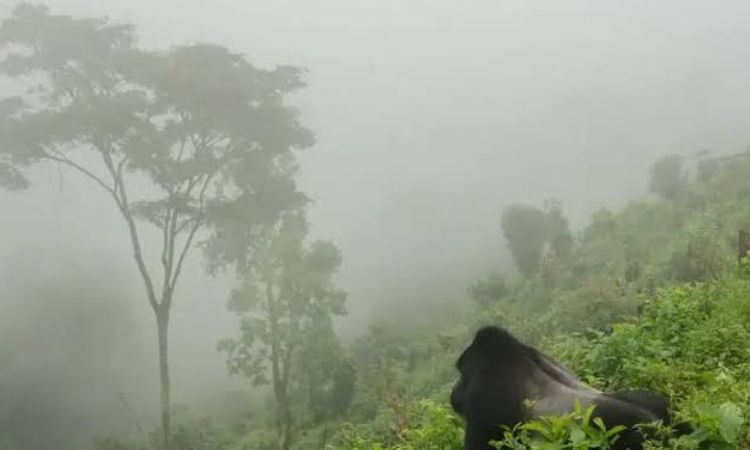
The forest transforms visually. Bwindi’s forest is extraordinary in rain — mist rising from the canopy, water dripping from ferns and bamboo, the rich green intensity of wet tropical vegetation.
Many visitors and gorilla trekking photographers rate their rainy gorilla encounters as the most visually stunning, precisely because the environmental atmosphere is so dramatically different from clear-day conditions.
Your ranger guide keeps you safe and oriented. Uganda Wildlife Authority (UWA) guides assigned to gorilla groups are extraordinarily experienced in the forest in all conditions.
In rain, they position trekkers more carefully to avoid dangerous slopes and maintain clear sightlines to the gorillas. Their knowledge of each individual gorilla family including which individuals tolerate close human presence in different conditions — means your experience is actively managed for both safety and quality.
Does Rain Affect How Long the Trek Takes?
Potentially, yes — though not in the way most people assume. Rain can extend the walking time if the gorilla family has moved deeper into the forest seeking shelter, making the terrain more demanding to cover.
But it rarely shortens the trek, because the gorillas don’t move to more accessible terrain in rain — they simply move to wherever the best food and shelter combination exists.
The one-hour habituation time with the gorillas remains fixed at 60 minutes regardless of weather. This is a strict Uganda Wildlife Authority rule designed to protect the gorillas from extended stress and disease risk from human proximity — rain does not extend or shorten it.
What rain can affect is the post-trek walk back. Wet trails make the return route more demanding, especially on downhill sections.
Allow extra time in your schedule on rainy days, and do not plan tight connections — a flight out of Entebbe, a border crossing — immediately after a gorilla trek on a day when rainfall is expected.
Is Gorilla Trekking in the Rain Season Worth It?
Absolutely — and the rainy seasons in Uganda offer real advantages for gorilla trekking visitors that are often underappreciated:
Fewer trekkers on the trail. Uganda’s gorilla trekking peak seasons (June–September and December–February) attract the highest volumes of international visitors. The two rainy seasons — March to May and October to November — typically have fewer tourists, meaning a quieter, more private feeling forest experience.
Lush, photogenic forest. Bwindi at peak rainy season is a different world from the same park in dry conditions — deeper greens, richer textures, mist-draped valleys. Wildlife photographers and travellers who prioritise the aesthetic quality of their experience often deliberately choose rainy season gorilla treks.
Lower accommodation rates. Many of the lodges surrounding Bwindi — from budget guesthouses to luxury properties — offer their lowest rates during the rainy season off-peak periods.
For budget-conscious trekkers or those looking at budget Uganda gorilla safaris, the rainy season combination of lower lodge rates and readily available permits can represent significant savings.
Gorilla permit availability. Uganda gorilla permits ($800 per person as of 2026) are significantly easier to obtain during the rainy season.
During peak dry-season months, permits for popular trekking sectors like Buhoma and Rushaga can sell out months in advance. If you want to book a last-minute gorilla trek, the rainy season gives you the best chance of finding availability.
To understand the full seasonal picture before booking, read the detailed guide on best time to see gorillas in Uganda on All Uganda Safaris.
Gorilla Trekking in Rain: Bwindi vs Mgahinga
Uganda’s two gorilla trekking destinations experience rainfall differently, and it’s worth knowing the distinction when planning.
Bwindi Impenetrable National Park receives rainfall throughout the year, with the most intense rainy periods in April–May and October–November.
Even during the dry season, afternoon showers are common. Its four trekking sectors, Buhoma, Ruhija, Nkuringo, and Rushaga , each have slightly different microclimates, with Ruhija (at higher elevation) experiencing the most frequent mist and cloud cover. Buhoma sector sits at a lower elevation and is slightly more sheltered.
Mgahinga Gorilla National Park, in southwestern Uganda on the slopes of the Virunga volcanoes, is at higher elevation than most of Bwindi and regularly experiences afternoon cloud, mist, and rain even in the dry season.
The single habituated gorilla family at Mgahinga, the Nyakagezi group, sometimes crosses into Rwanda or the DRC during extended dry periods, which is an additional consideration.
During the rainy season, the family stays more consistently within Uganda’s park boundaries, making Mgahinga’s rainy-season permits more reliable in terms of family location.
For a 3-day gorilla trekking safari at Mgahinga, rain preparedness is especially important given the park’s elevation and cloud frequency.
What to Wear on a Rainy Gorilla Trek: The Full Checklist
| Item | Recommendation |
|---|---|
| Footwear | Waterproof, ankle-high hiking boots — broken in before trek day |
| Rain layer | Full-length waterproof poncho covering pack, OR waterproof jacket + trousers |
| Base layer | Long-sleeve moisture-wicking shirt (no cotton — it stays wet and cold) |
| Trousers | Quick-dry synthetic hiking trousers; avoid jeans |
| Gloves | Light waterproof garden gloves for gripping vegetation |
| Socks | Wool or synthetic hiking socks — one spare pair in a zip-lock bag |
| Gaiters | Ankle gaiters prevent mud from entering boot tops |
| Camera protection | Rain sleeve or waterproof bag; lens cloth in accessible pocket |
| Trekking poles | Hire at park HQ or bring your own — essential on wet trails |
| Day pack cover | Waterproof pack rain cover |
| Insect repellent | Rainfall increases insect activity; DEET-based repellent recommended |
For the complete gorilla safari packing guide covering all conditions, see our page, Uganda Safari Packing List .
Common Questions About Rain and Gorilla Trekking
Does rain cancel a gorilla trek in Uganda? No. Gorilla trekking in Uganda is never cancelled due to rain. It proceeds on schedule in all rainfall conditions. Only an active lightning storm can cause a temporary halt, at the ranger guide’s discretion.
Are the gorillas harder to find when it rains? Not necessarily. Gorilla trackers begin locating the family the night before, following their trail from the previous day’s resting location. Rain affects trail conditions for trekkers, but it does not fundamentally change how gorilla trackers locate the family. Heavy rain overnight can wash away some trail signs, occasionally making the initial find slightly longer, but experienced Uganda Wildlife Authority trackers work in rain routinely.
Is a rainy gorilla trek dangerous? With proper footwear and a porter for steep sections, a rainy gorilla trek is not dangerous. The primary risk is slipping on wet muddy trails — this is significantly reduced by waterproof boots with good grip, trekking poles, and a porter to carry your pack and assist on difficult terrain. Uganda Wildlife Authority ranger guides are trained to manage these conditions.
Will my gorilla permit be refunded if it rains? No. Uganda Wildlife Authority gorilla permits are non-refundable because rain does not constitute a cancellation — the trek proceeds as planned. The only circumstances under which Uganda Wildlife Authority considers permit transfer or postponement are if the gorilla family temporarily leaves the park (an occasional occurrence at Mgahinga) or if the trekker has a serious medical emergency.
Should I bring my best camera on a rainy gorilla trek? Yes — but protect it. A rainy gorilla encounter is visually spectacular, and you will regret not having your best camera. Use a rain sleeve, keep the camera inside a waterproof bag when walking, and have a microfibre lens cloth in a readily accessible pocket. Read the detailed guide on photographing mountain gorillas for camera settings and techniques that work in low-light, wet forest conditions.
Is gorilla trekking harder for older or less fit visitors when it’s wet? Wet conditions make any gorilla trek more physically demanding. For elderly trekkers or those with limited mobility, a rainy trek day adds extra challenge to what is already a strenuous activity.
All Uganda Safaris offers specialist guidance for this group — the gorilla trekking for elderly visitors page covers fitness requirements, porter recommendations, and how to choose the most accessible trekking sectors for older or less mobile guests.
Why Rain Should Never Stop You from Booking a Gorilla Trek
Every gorilla trek happens in a tropical rainforest. The word “rain” is literally in the name. Bwindi Impenetrable National Park receives over 1,400mm of rainfall annually. The forest exists because of that rain — the extraordinary biodiversity, the 459 mountain gorillas, the 360 bird species, the 250 butterfly species, the dense impenetrable vegetation that makes Bwindi one of Africa’s greatest wild places. Rain is not a threat to your gorilla trek. It is part of the ecosystem that makes the trek possible.
The trekkers who look back on their gorilla encounter as the highlight of their African journey — sometimes their entire lives — include just as many who trekked through a downpour as those who walked in sunshine.
What they remember is not the weather. They remember the silverback’s eyes meeting theirs across the forest floor, a juvenile tumbling down a moss-covered trunk, a nursing mother watching them with calm curiosity. Rain doesn’t erase those moments. Often it frames them.
Book Your Uganda Gorilla Safari with All Uganda Safaris
If rain has been the thing holding you back from booking, let it go. Come prepared, come ready to walk through mud, come with your boots laced and your poncho packed — and come to Bwindi Impenetrable National Park for the gorilla encounter that no weather can diminish.
All Uganda Safaris is Uganda’s trusted gorilla trekking specialist, operating with over 50 Uganda safari packages tailored to every budget, timeline, and travel style.
Our conservation-minded guides are born and raised in Uganda, know Bwindi’s forest in every season, and have walked those trails in every condition imaginable.
We handle every logistical detail — gorilla permit acquisition, accommodation at lodges across all budget levels, transfers, ranger coordination, and 24/7 trip support from your first inquiry to your last day in the forest.
Whether you are looking for a quick 2-day gorilla trekking safari from Kigali, a 3-day Bwindi gorilla and Batwa cultural experience, a 5-day Uganda gorilla and wildlife safari combining Bwindi and Queen Elizabeth National Park, or a longer 10-day all-inclusive Uganda safari that covers gorillas, chimpanzees, and big game — we have the package, the permits, and the expertise to make it happen.
Ready to trek? Contact All Uganda Safaris today.