
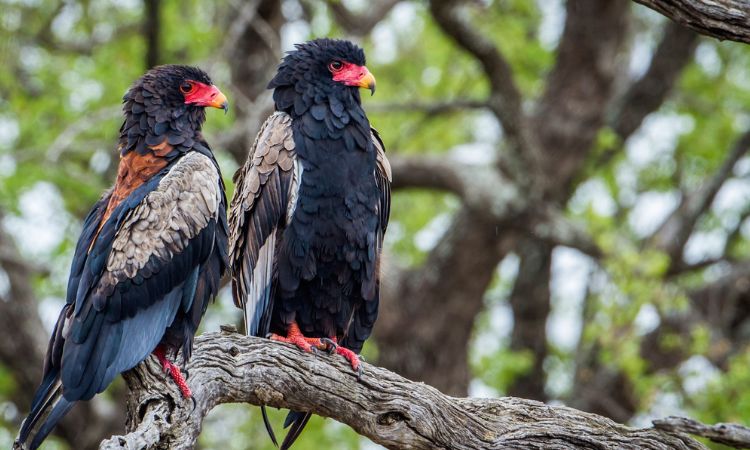
Top Birding Destinations in Africa: Best Places for Bird Watching in 2026
Top Birding Destinations in Africa: Africa stands as one of the world’s premier birding hotspots, home to over 2,300 bird species. From vibrant wetlands and dense rainforests to vast savannas and arid deserts, the continent offers unparalleled diversity for birdwatchers. Whether you seek rare endemics, iconic species, or massive flocks, Africa delivers unforgettable experiences.
This comprehensive guide covers the best birdwatching destinations in Africa, highlighting key species, optimal visiting times, and practical tips.
Discover why birding in Africa ranks among the top global adventures and how Uganda birding tours excel for specialized experiences. Plan your birding Africa tours with insights into shoebills, Albertine Rift endemics, and more.
Why Africa Excels for Birding
Africa’s varied habitats support resident birds, intra-African migrants, and Palearctic migrants. Countries like Uganda boast over 1,070 species in a compact area, making it a top choice for efficient, high-yield birding. Readers gain location details, target species, seasonal advice, and safari tips to maximize sightings.
Top Birding Destinations in Africa by Country
Uganda: Premier Destination for Uganda Birding Tours
Uganda, the “Pearl of Africa,” leads African birding with over 1,090 species and easy access to specialties.
Bwindi Impenetrable National Park — This UNESCO World Heritage Site in southwestern Uganda features dense montane forests along the Albertine Rift.
It hosts around 350–723 bird species, including 23 Albertine Rift endemics like the African Green Broadbill, Grauer’s Rush Warbler, Regal Sunbird, and Handsome Francolin. Other highlights include the Bar-tailed Trogon, Black Bee-eater, Great Blue Turaco, and Cinnamon-chested Bee-eater.
Combine birding with gorilla trekking for a unique experience. Best time: Year-round, with drier months (June–September, December–February) offering better trails. Unique experiences: Guided forest walks and canopy viewing.
Mabamba Swamp — Located near Entebbe on Lake Victoria, this wetland ranks as the world’s top Shoebill hotspot. Boat trips through papyrus channels yield excellent views of the prehistoric-looking Shoebill stork, plus African Fish Eagle, Malachite Kingfisher, and various herons and jacanas. It supports consistent sightings year-round, peaking in wetter months. Unique: Canoe safaris at dawn for optimal photography.
Other Uganda gems include Murchison Falls home for Shoebill and savanna species, Queen Elizabeth National Park (wetland and savanna birds), and Lake Mburo (acacia woodland specialties). Uganda birding tours often combine these for comprehensive lists.

Kenya: Rift Valley and Savannah Birding
Kenya offers over 1,100 species across diverse habitats.
Lake Nakuru National Park — Famous for flamingos (Lesser and Greater), this soda lake attracts thousands of waterbirds, pelicans, and raptors. White and Pink-backed Pelicans, African Fish Eagles, and woodland species thrive here. Best time: Year-round, though water levels fluctuate. Unique: Rhino sanctuary alongside birding.
Masai Mara National Reserve — Part of the Serengeti ecosystem, it excels in savanna birds like Secretary Bird, Lilac-breasted Roller, Kori Bustard, and migrants during November–April. Grassland and raptor diversity shine.
Tanzania: Iconic Savannahs and Wetlands
Serengeti National Park — Vast plains host over 500 species, including Secretary Bird, Kori Bustard, Ostrich, Grey-Crowned Crane, and migrants. Riverine areas add Fish Eagles and kingfishers. Best for savanna specialists during dry season game viewing.
Lake Manyara and Tarangire add waterbirds and baobab-associated species.
Botswana: Wetland Paradise
Okavango Delta — This UNESCO site features over 400–600 bird species in a pristine wetland. Wattled Crane, Slaty Egret, Pel’s Fishing Owl, Malachite Kingfisher, and African Skimmer stand out. Mokoro (canoe) trips provide intimate views. Best time: May–October (dry season) for concentrated waters, or wet season for migrants and breeding. Unique experiences: Water-based birding amid wildlife.
South Africa: Accessible and Diverse
Kruger National Park — Combines Big 5 safaris with rich birding (over 500 species). Highlights include Southern Ground Hornbill, Kori Bustard, Secretary Bird, and raptors.
Best year-round, with summer migrants boosting numbers. Unique: Self-drive or guided options blending mammals and birds.
Additional South African spots like Cape Town offer coastal and fynbos endemics.
Namibia: Desert Adaptations
Etosha National Park — Arid landscapes support around 340 species, including flamingos at pans, Ostrich, Kori Bustard, Secretary Bird, and raptors like Martial Eagle. Waterholes concentrate birds in dry season. Best: Wet season for migrants, dry for reliable sightings.
Additional Destinations for Depth
- Rwanda (Nyungwe and Akagera): Forest and wetland birds complement gorilla viewing.
- Zambia (South Luangwa and Bangweulu Wetlands): Shoebill opportunities and diverse miombo woodland species.
- Ethiopia: Highland endemics and Rift Valley lakes.
- Ghana and West Africa: Rainforest specialties and canopy walks.
These 10+ spots provide broad coverage for birding Africa tours.
Birds You Can See in Africa
Africa’s iconic avifauna includes:
- Shoebill: Prehistoric giant of wetlands; best in Uganda’s Mabamba Swamp.
- African Fish Eagle: Iconic caller near water bodies across lakes and rivers.
- Secretary Bird: Tall savanna hunter of snakes; seen in Kruger, Serengeti, and Etosha.
- Lilac-breasted Roller: Vibrant, photogenic species in open woodlands; common in East and Southern Africa.
- Great Blue Turaco: Striking forest dweller in Uganda and Nyungwe.
Other notables: Wattled Crane (Okavango), Grey-Crowned Crane, and various sunbirds and bee-eaters.

Best Time for Birding in Africa
Palearctic migrants arrive November–April, boosting diversity in East and Southern Africa. Dry seasons (typically May–October) concentrate birds at water sources for easier viewing and photography, while wet seasons bring breeding plumage and songs.
Regional differences matter: Uganda and East Africa peak December–February or June–September; Botswana’s Okavango shines May–October. Consult local guides for Uganda birding tours tailored to targets.
Birding Safari Tips
- Pack Essentials: High-quality binoculars (8×42 recommended), field guide (e.g., Roberts or Birds of Africa), camera with telephoto lens, neutral clothing, hat, sunscreen, and insect repellent.
- Timing: Bird early morning and late afternoon for peak activity.
- Hiring Local Guides: Expert spotters and callers dramatically increase sightings—essential for forest or cryptic species.
- Photography Tips: Use bean bags or tripods in vehicles; focus on behavior over rushed shots. Respect distances.
- Sustainability: Follow ethical guidelines; support community-based tourism.
Internal links for more: Explore our Uganda safaris or gorilla trekking packages that pair perfectly with birding.
Top Birding Destinations in Africa Quick Guide Table
|
Destination |
Country |
Key Birds |
Best Time |
|
Mabamba Swamp |
Uganda |
Shoebill, waterbirds |
Year-round |
|
Bwindi Impenetrable |
Uganda |
Albertine Rift endemics, Turacos |
Jun–Sep, Dec–Feb |
|
Okavango Delta |
Botswana |
Wattled Crane, Kingfishers, Owls |
May–Oct |
|
Kruger National Park |
South Africa |
Ground Hornbill, Raptors |
Year-round (summer migrants) |
|
Lake Nakuru |
Kenya |
Flamingos, Pelicans |
Year-round (fluctuates) |
|
Serengeti |
Tanzania |
Secretary Bird, Bustards |
Nov–Apr (migrants) |
|
Etosha National Park |
Namibia |
Ostrich, Raptors, Waterbirds |
Dry season |
|
Nyungwe Forest |
Rwanda |
Forest specialists, Turacos |
Dry months |
FAQs – Top Birding Destinations in Africa
What is the best country for birding in Africa?
Uganda often tops lists due to high species density, Shoebill reliability, and Albertine endemics in accessible parks.
Where can I see the Shoebill in Africa?
Primarily Uganda’s Mabamba Swamp and Murchison Falls; also Zambia’s Bangweulu.
When is the best time for birdwatching in Africa?
November–April for migrants; dry seasons for concentrated viewing. Varies by region.
Are birding Africa tours suitable for beginners?
Yes—many operators cater to all levels with expert guides.
How do I combine birding with other safaris?
Uganda packages easily merge birding, gorilla trekking, and game drives.
What gear do I need for African birding?
Binoculars, guidebook, sturdy shoes, and weather-appropriate clothing.
Conclusion
Africa’s top birding destinations—from Uganda’s Mabamba Swamp and Bwindi forests to Botswana’s Okavango Delta, Kenya’s Lake Nakuru, Tanzania’s Serengeti, and South Africa’s Kruger—offer world-class experiences for every birder. Whether chasing rare endemics or witnessing massive flocks, these sites deliver magic.
Ready to embark on your adventure? Book a tailored Uganda birding tour or comprehensive birding Africa safari with us at All Uganda Safaris. Our expert guides, customized itineraries, and seamless logistics ensure memorable sightings and sustainable travel.
Contact us today to plan your 2026 trip—spots fill quickly for peak seasons. Discover Africa’s avian wonders with those who know it best.