
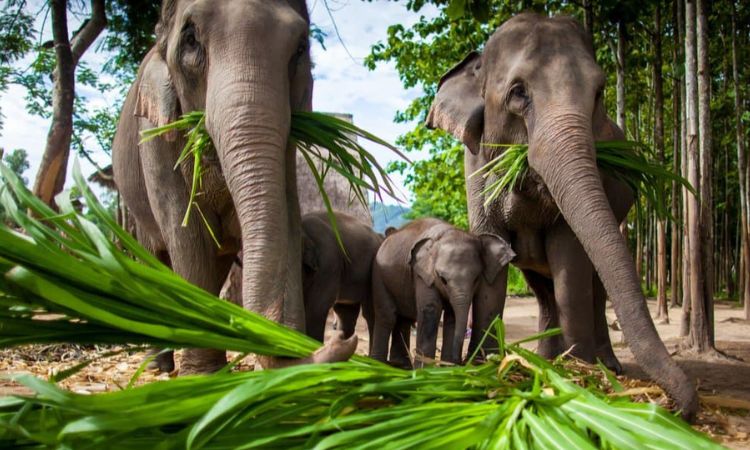
What do elephants eat in the wild & in Captivity: 5 Top Foods
What do elephants eat: Elephants are generalist herbivores that consume over 300 plant species depending on availability. Their diet shifts between grazing (eating grasses) and browsing (eating leaves, twigs, and woody plants). Here are the main components:
- Grass: Often the primary food, especially for savanna-dwelling African elephants during the wet season. Grasses provide bulk and are easy to graze in large quantities.
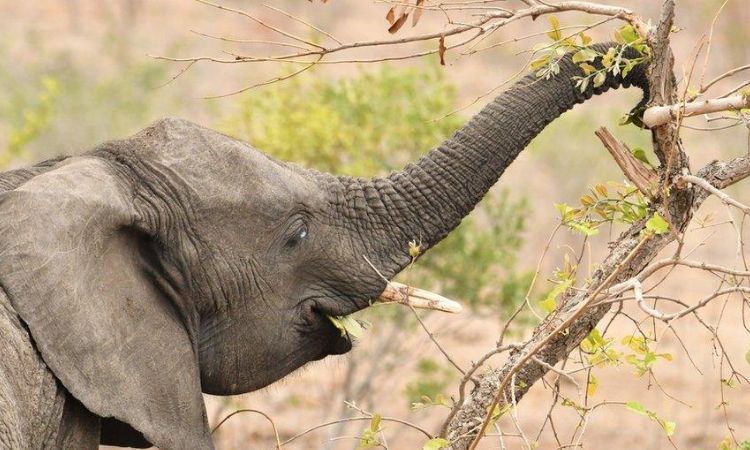
- Leaves: A key part of the diet, particularly for browsing. Elephants strip leaves from trees and shrubs using their trunks.
- Fruits: Elephants love fruits and have a notable sweet tooth. Common ones include mangoes, figs, marula, bananas, and other tropical fruits. Forest elephants especially rely on fruits.
- Bark: A favorite, rich in calcium and roughage that aids digestion. Elephants frequently strip bark from trees using their tusks and trunks.
- Roots: Dug up during dry periods or when other food is scarce. Roots and bulbs offer additional nutrients and moisture.
Other items in the elephant diet include twigs, shoots, small plants, bushes, vines, and occasionally soil or mineral-rich earth for essential salts and minerals. What are 5 things elephants eat? Grass, leaves, fruits, bark, and roots stand out as the core five.
What do elephants eat in the wild? In natural habitats, they forage opportunistically across seasons. Wet seasons favor grasses and fresh greens, while dry seasons see more browsing on bark, leaves, and roots.
African bush elephants lean toward grasses and shrubs, while Asian elephants often include more bamboo and palms. Forest elephants focus heavily on fruits, leaves, and bark.
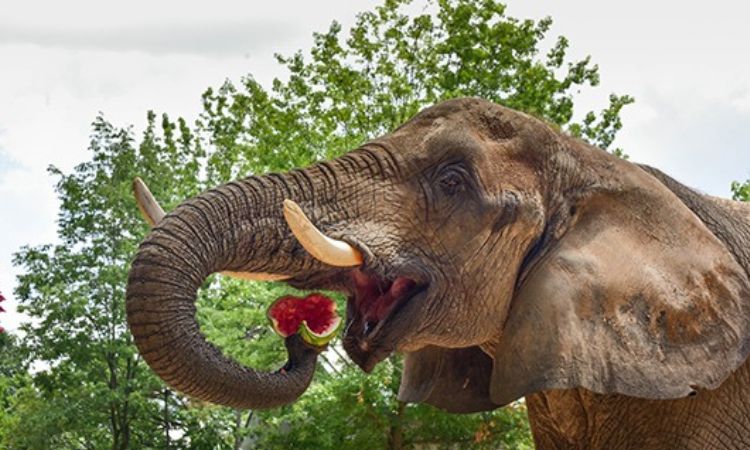
What do elephants eat in the zoo (or captivity)? Captive elephants receive a controlled diet to mimic the wild as closely as possible while meeting nutritional needs.
The bulk is hay (sometimes 4-5 bales or up to 300 pounds for one animal), supplemented with elephant chow or pellets, bran, oats, fruits, and vegetables like carrots, sweet potatoes, apples, cabbage, and watermelon.
Browse (branches and twigs) is provided for enrichment and dental health. Amounts are typically lower than in the wild—around 100-400 pounds daily depending on the individual—but keepers scatter food to encourage natural foraging behavior.
What do elephants eat and drink? Their solid diet pairs with high water intake. Elephants drink 100-200 liters (roughly 26-50 gallons) of water per day on average, though they can consume up to 212 liters in one session. They suck water into their trunks and squirt it into their mouths.
What fruits do elephants eat? They target seasonal, high-energy fruits such as figs, mangoes, marula, bananas, pineapples, and melons. Fruits provide sugars and help with seed dispersal when seeds pass through their digestive tract.
How Much Do Elephants Eat?
This is one of the most common questions about elephant feeding habits. An adult elephant consumes 150–300 kg (330–660 pounds) of food per day, equivalent to 4-6% or more of their body weight.
Larger males may eat even more during certain periods. They spend 12–18 hours daily (up to 80% of their day) foraging and eating because of their inefficient digestion—they excrete large amounts of fibrous dung.
What do elephants eat daily? The volume includes hundreds of pounds of vegetation, broken into frequent small meals rather than a few big ones. They travel long distances to find enough food, sometimes covering many kilometers in a day.
Elephants also drink 100+ liters of water daily, with peaks in hot weather. This massive intake underscores why water sources are critical in their habitats.
Diet by Habitat and Species
African Elephants (Savanna/Bush): Primarily grass and shrubs in open savannas, supplemented by leaves, bark, and roots. In the wet season, they graze heavily; in the dry season, they browse more on woody plants.
African Forest Elephants: More frugivorous, relying on fruits, leaves, bark, seeds, and branches in dense rainforest habitats. They play a huge role as “mega-gardeners” by dispersing large seeds.
Asian Elephants: Graze on grasses and browse on leaves, twigs, bamboo, palms, and bark in forests and grasslands. Their diet often includes more monocot plants like bamboo.
Habitat strongly influences the elephant diet—what do elephants eat in the wild depends on whether they roam savannas, forests, or mixed landscapes.
How Elephants Feed
Elephants use their versatile trunk like a hand to grab, pluck, or strip food. The trunk can delicately pick a single blade of grass or break off large branches.
They use tusks to carve into tree trunks and tear off bark strips. For roots, they dig with tusks or feet. Feeding is efficient yet time-consuming, with elephants often twisting twigs in their mouths to remove bark or shaking dirt off grass.
Do Elephants Eat Trees?
Yes, elephants eat trees—specifically the bark, branches, twigs, leaves, and sometimes roots. They do not consume the entire tree but can damage or fell them while feeding, which shapes the landscape by creating open areas or pathways. Bark is especially prized for its nutrients.
Interesting Facts About Elephant Feeding Habits
- Elephants spend 12–18 hours a day eating, making foraging their main daily activity.
- As “ecosystem engineers,” their feeding habits shape habitats: knocking down trees creates grasslands, while dung disperses seeds and recycles nutrients.
- They travel long distances for food and water, sometimes migrating seasonally.
- Digestion is only 40-60% efficient, leading to frequent defecation (up to 15 times a day) and massive dung piles that benefit other species.
- Baby elephants (calves) primarily drink mother’s milk for the first 2+ years, gradually introducing vegetation. They practice by playing with grass and leaves, and may eat adult dung to acquire gut bacteria for digesting plants. By 6-9 months, they ingest more solids.
What do elephants eat in Minecraft? In the game, elephants (or similar mods/mobs) may have fictional diets, but real-world inspiration points to vegetation like grass or hay bales.
Where Elephants Find Food
On African safaris, you can observe elephant feeding habits in iconic spots. In Serengeti National Park (Tanzania), elephants graze on vast plains and browse acacia trees, playing a role in maintaining the ecosystem. Queen Elizabeth National Park (Uganda) offers sightings of elephants feeding along the Kazinga Channel or in forested areas, where they mix grasses with leaves and fruits.
These locations highlight natural elephant diet variations and provide excellent opportunities for wildlife photography during game drives.
FAQs – What do elephants eat
How much do elephants eat per day?
150–300 kg of vegetation, plus 100+ liters of water. They eat for 12–18 hours daily.
Do elephants eat meat?
No. Elephants are strict herbivores and do not eat meat. Rare incidental ingestion of insects or eggs on plants is negligible.
What do baby elephants eat?
Mother’s milk is the main food for at least two years. They gradually add grasses, leaves, and other plants while learning from the herd, sometimes consuming dung for digestive bacteria.
Do elephants eat trees?
Yes—they eat bark, branches, twigs, and roots from trees, which can influence tree populations and create habitats.
What do elephants eat in the wild vs. zoo?
Wild: diverse fresh vegetation based on habitat and season. Zoo: mainly hay, pellets, produce, and browse for balanced nutrition and enrichment.
Understanding the elephant diet goes beyond simple lists. Including quantities, behaviors, and answers to common questions like “what do elephants eat daily” or “what do elephants eat in the wild” helps paint a complete picture. Their feeding habits not only sustain these gentle giants but also maintain healthy ecosystems—making them vital on any safari adventure.