Best Places to See Silverback Gorillas in Africa in 2026
Discover the best places to see silverback gorillas in Uganda, Rwanda, and DR Congo, with expert tips on gorilla trekking, permits, and the best travel seasons.
Silverback gorillas are the mature male leaders of mountain gorilla families, known for their strength and protective nature. The best places to see silverback gorillas are in Uganda, Rwanda, and the Democratic Republic of Congo (DR Congo), where mountain gorilla trekking offers unparalleled close encounters. Uganda’s Bwindi Impenetrable National Park stands out as the top choice due to its high success rates and diverse trekking options.
What is a Silverback Gorilla?
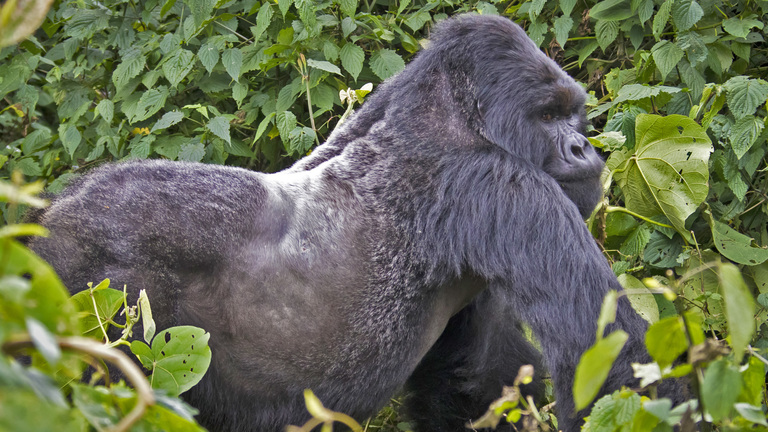
A silverback gorilla is an adult male mountain gorilla, typically over 12 years old, distinguished by the silvery-gray hair on its back, hips, and thighs.
These powerful primates can weigh up to 440 pounds (200 kg) and stand up to 5.9 feet (1.8 meters) tall when upright, making them the largest and strongest members of their species.
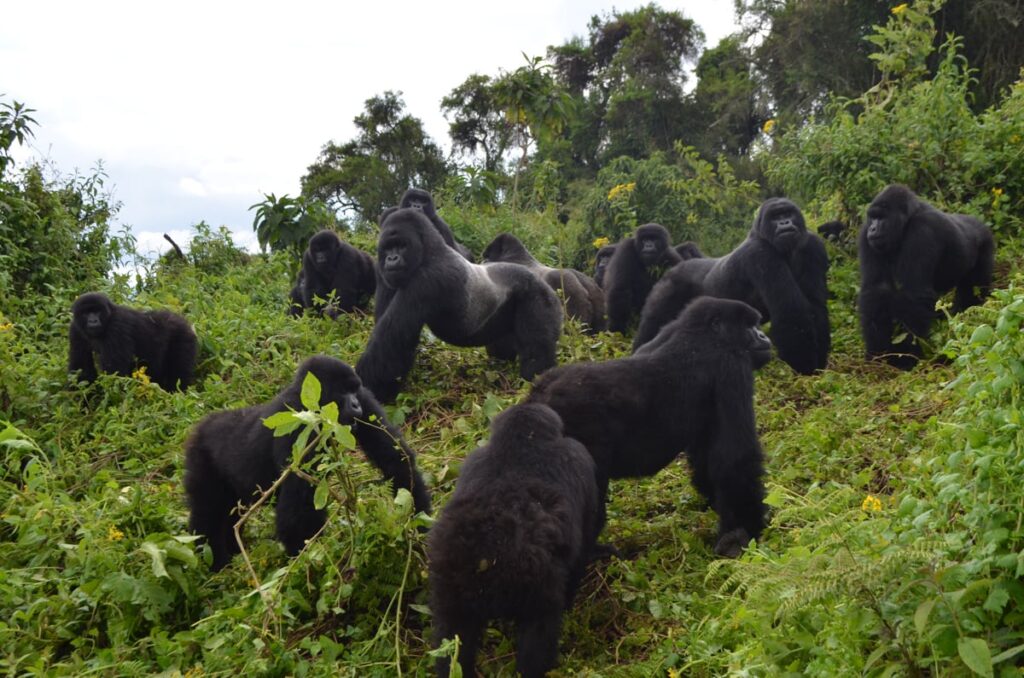
As the mountain gorilla leader, the silverback plays a crucial role in the family unit, or troop, which usually consists of 5-30 individuals.
It protects the group from threats, such as other males or predators, resolves conflicts, and decides where the family forages and rests.
Silverbacks are vital for the survival and dynamics of gorilla families. They mate with multiple females, ensuring the group’s continuity, and their leadership maintains social harmony.
Without a strong silverback, families can become vulnerable to takeovers by rival males, which may lead to infanticide.
Observing a silverback in the wild highlights the intricate social structure of these endangered animals, emphasizing the importance of conservation efforts.
Best Places to See Silverback Gorillas
Bwindi Impenetrable National Park – Uganda (Top Choice)
Bwindi Impenetrable National Park in southwestern Uganda is widely regarded as the best place to see silverback gorillas in the world. This UNESCO World Heritage Site hosts about half of the global mountain gorilla population, with over 500 individuals.
There are around 23 habituated gorilla families available for trekking, allowing for a high success rate of over 95% in sightings. These families vary in size and include prominent silverbacks leading troops through the dense, misty forests.
Trekking in Bwindi offers diverse difficulty levels, from moderate 2-4 hour hikes to more challenging full-day adventures, depending on the gorilla family’s location.
Uganda gorilla Permits cost around $800 for foreign non-residents, making it more accessible than some alternatives. Accessibility is straightforward via Entebbe International Airport, with road transfers or short flights to nearby airstrips.
Accommodation ranges from budget lodges to luxury options like Nkuringo Bwindi Gorilla Lodge, with activities including birdwatching and community visits. For silverback gorillas in Uganda, Bwindi provides unmatched variety and value in gorilla trekking experiences.
Volcanoes National Park – Rwanda
Volcanoes National Park in northwestern Rwanda offers a premium gorilla trekking experience, ideal for those seeking luxury and efficiency.
The park is home to about 12 habituated gorilla families, fewer than in Uganda but with a strong emphasis on conservation, thanks to efforts pioneered by Dian Fossey. Treks here are generally easier, often lasting 1-3 hours, due to the park’s volcanic terrain and well-maintained trails.
This destination suits short trips, with high-end lodges like Bisate Lodge providing upscale amenities. Rwanda gorilla Permits are priced at $1,500 per person, reflecting the premium experience.
Rwanda’s compact size makes it easy to combine gorilla trekking with other attractions like Kigali city tours. For silverback gorillas in Rwanda, Volcanoes National Park delivers a refined, conservation-focused adventure.
Virunga National Park – DR Congo
Virunga National Park in eastern DR Congo provides a raw, adventurous option for seeing silverback gorillas, with about 8-10 habituated families. It’s the most affordable, with permits at around $400, attracting budget-conscious travelers seeking an off-the-beaten-path experience.
Treks can be demanding, navigating rugged terrain, but offer intimate encounters in a biodiverse setting. Safety considerations are key; while rangers ensure protection during treks, travelers should check current advisories due to regional instability.
Virunga suits experienced adventurers, with basic to mid-range accommodations available. For silverback gorillas in Congo, it offers affordability and authenticity, though with added risks.
Comparison of Best Places to See Silverback Gorillas
|
Country |
Park |
Permit Cost Range |
Trek Difficulty |
Luxury vs Budget |
Best for First-Time Trekkers |
|
Uganda |
Bwindi Impenetrable National Park |
$800 |
Moderate to Challenging |
Budget to Luxury |
Yes, due to high success rates and variety |
|
Rwanda |
Volcanoes National Park |
$1,500 |
Easy to Moderate |
Mostly Luxury |
Yes, for easier treks and short trips |
|
DR Congo |
Virunga National Park |
$400 |
Challenging |
Budget |
No, better for experienced adventurers |
This table highlights key differences to help you choose based on your preferences.

Best Time to See Silverback Gorillas
The best time to see silverback gorillas is during the dry seasons: June to September and December to February. These periods offer better trail conditions, less mud, and higher visibility in the forests.
In the rainy seasons (March-May and October-November), treks can be slippery, but permits may be discounted in Uganda and DR Congo.
For Uganda and Rwanda, June-August is peak for clear weather, while December-February suits holiday travelers. In DR Congo, similar dry windows apply, though always monitor local conditions. Planning around the best month for gorilla trekking ensures a smoother experience with optimal wildlife viewing.
What to Expect During a Silverback Gorilla Trek
Gorilla trekking begins with an early morning briefing at the park headquarters, where rangers explain rules and assign groups. You’ll then embark on a ranger-guided hike through dense vegetation, tracking signs like footprints or nests. Treks last 2-7 hours, depending on the gorillas’ location.
Upon encountering the family, you’ll spend one hour observing, often witnessing the silverback foraging or interacting with the troop.
Photography tips include using a zoom lens, avoiding flash, and staying quiet. The experience is physically demanding but rewarding, with porters available for hire to carry gear.
Gorilla Trekking Rules & Conservation
Gorilla trekking rules exist to protect these endangered animals and minimize human impact. Maintain a 7-meter distance, wear masks if required, and avoid eating or smoking near gorillas to prevent disease transmission. Health requirements include being free of illness and a minimum age of 15.
Tourism funds conservation, supporting anti-poaching and habitat protection. Organizations like the International Gorilla Conservation Programme (IGCP) benefit directly, helping populations recover from near-extinction.
Silverback Gorilla Safari Cost Breakdown
A gorilla trekking trip varies by destination. In Uganda, expect $800 for the permit, $50-100 for guides/porters, $200-500 for transport, and $100-300/night for accommodation. Total for a 3-day budget trip: $1,500-2,500 per person.
In Rwanda, the $1,500 permit plus luxury elements pushes costs to $3,000-5,000 for a short safari. Add optional fees like porters ($20-30). These breakdowns match transactional intent without overpromising.
Safety & Ethical Tourism
Gorilla trekking is generally safe, with armed rangers accompanying groups to protect against wildlife or rare security issues. In DR Congo, extra caution is advised due to instability. Ethical practices ensure minimal disturbance, promoting sustainable tourism that benefits local communities and conservation.
FAQs about Silverback Gorillas
Where is the best place to see silverback gorillas?
Uganda’s Bwindi Impenetrable National Park is the top choice for its high gorilla numbers and success rates.
Which country has the most silverback gorillas?
Uganda hosts the largest population, with over 500 mountain gorillas in Bwindi alone.
Is gorilla trekking safe?
Yes, with guided rangers and rules in place, though physical fitness is required.
How close do you get to silverback gorillas?
Trekkers maintain a 7-meter distance for safety and conservation.
Can children see silverback gorillas?
Children must be at least 15 years old to participate in trekking.
Where do you find silverback gorillas?
Silverback gorillas are found in the mountainous forests of Uganda, Rwanda, and DR Congo.
Where do silverback gorillas live in Africa?
They inhabit the Virunga Massif and Bwindi regions in East-Central Africa.
Are there silverback gorillas in Uganda?
Yes, Uganda is home to the majority, particularly in Bwindi and Mgahinga National Parks.
Conclusion
For the ultimate silverback gorilla experience, Uganda edges out as the best due to its affordability, variety, and high sightings. Whether you’re a first-timer or seasoned traveler, these encounters foster a deep appreciation for conservation.
Ready for your adventure? Book with All Uganda Safaris for expert-guided trips to Uganda and Rwanda. Our local insights ensure seamless gorilla trekking, luxurious stays, and meaningful community engagement. Join us to witness silverback gorillas up close and contribute to their protection—your journey awaits!