How can we save Mountain Gorillas from Extinction
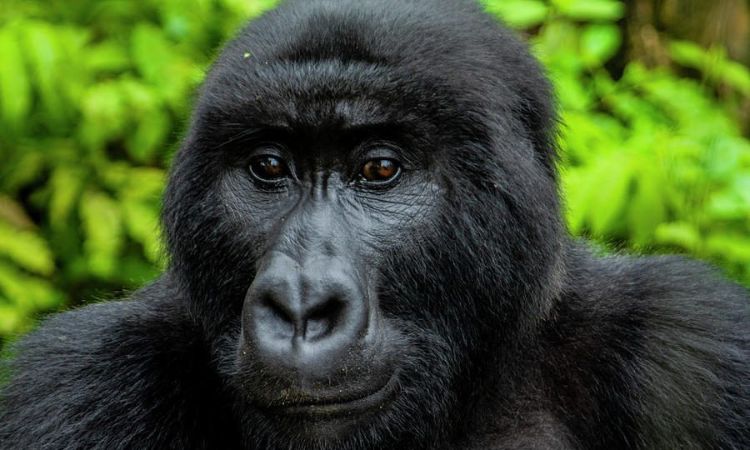
How can we save Mountain Gorillas from Extinction: Mountain gorillas, one of the world’s most majestic primates, teeter on the brink of extinction but are a conservation success story in the making.
Found only in the lush forests of Uganda, Rwanda, and the Democratic Republic of Congo (DRC), their population has grown from a dire ~620 in the 1980s to over 1,000 today.
Yet, threats like habitat loss, poaching, and disease persist. This guide explores how to save mountain gorillas, the role of conservation efforts, eco-tourism, and community involvement, and how you can contribute to protecting these gentle giants.
Why Are Mountain Gorillas Endangered?
Mountain gorillas (Gorilla beringei beringei) face multiple threats that have pushed them toward extinction. Understanding these challenges is key to their protection.
Habitat Loss: Deforestation for agriculture, logging, and human settlement has shrunk gorilla habitats. In the Virunga Massif and Bwindi Impenetrable Forest, expanding human populations encroach on gorilla territory, reducing the space they need to thrive.
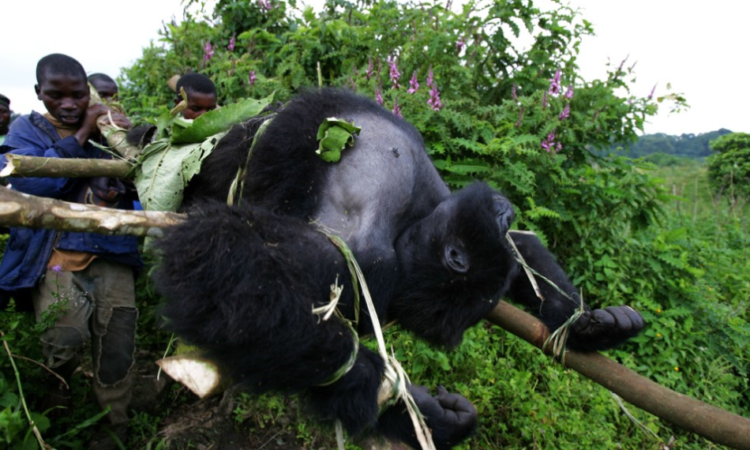
Poaching: While poaching for bushmeat or the illegal pet trade is less common for mountain gorillas than other species, it remains a threat. Historically, gorillas were hunted for trophies or body parts, and snares set for other animals can injure them.
Disease Transmission: Mountain gorillas share 98% of their DNA with humans, making them susceptible to human diseases like respiratory infections. Close contact with tourists or locals increases this risk, especially in unprotected areas.
Conflict and Instability: Political instability, particularly in the DRC’s Virunga National Park, disrupts conservation efforts. Armed conflicts and militia activity endanger rangers and gorillas alike, while economic instability drives locals to exploit forest resources.

Global Conservation Efforts
Global initiatives have been pivotal in mountain gorilla conservation, combining funding, protection, and enforcement to safeguard their habitats.
Gorilla Trekking Permits in Africa: Gorilla trekking permits, costing $800 in Uganda, $1,500 in Rwanda, and $400 in the DRC, directly fund conservation.
These fees support park management, ranger salaries, and habitat restoration in places like Bwindi Impenetrable National Park and Volcanoes National Park.
For those planning a trek, at All Uganda Safaris Ltd, we offers expertly guided gorilla trekking adventures, ensuring responsible tourism that supports conservation.
National Parks and Reserves: Protected areas like Uganda’s Bwindi Impenetrable National Park, Rwanda’s Volcanoes National Park, and the DRC’s Virunga National Park are critical sanctuaries. These parks enforce strict regulations to protect gorilla habitats and monitor populations.
Anti-Poaching Patrols: Rangers risk their lives to patrol gorilla habitats, removing snares and deterring poachers. Organizations like the International Gorilla Conservation Programme (IGCP) train and equip rangers, reducing illegal activities in gorilla regions.
Community Involvement: Engaging local communities is essential for sustainable conservation. When locals benefit from gorilla protection, they become allies in the fight against extinction.
Tourism Revenue Sharing: In Uganda and Rwanda, a portion of trekking permit revenue funds community projects like schools, clinics, and clean water initiatives. This incentivizes locals to protect gorillas rather than exploit forests.
Education and Awareness: Programs by groups like the Dian Fossey Gorilla Fund educate communities about gorilla conservation. Schools near gorilla habitats teach children the value of biodiversity, fostering long-term support.
Alternative Livelihoods: To reduce dependence on forest resources, NGOs provide training in sustainable farming, beekeeping, or handicraft production. These alternatives decrease deforestation and human-wildlife conflict.
Role of Eco-Tourism: Eco-tourism, particularly gorilla trekking, is a cornerstone of mountain gorilla conservation. When done responsibly, it generates funds and raises global awareness.
How Gorilla Trekking Helps
Trekking revenue supports park operations and community projects. Strict rules—maintaining a 7-meter distance, limiting group sizes to eight, and requiring masks—minimize disease transmission. At All Uganda Safaris Ltd, we ensures trekkers follow these guidelines, offering immersive experiences that prioritize gorilla safety.
Responsible Travel Guidelines
Visitors must adhere to park rules, like avoiding littering and respecting gorilla behavior. Choosing ethical operators like us, All Uganda Safaris Ltd. ensures your trip supports conservation without harming gorillas.
Scientific and NGO Efforts
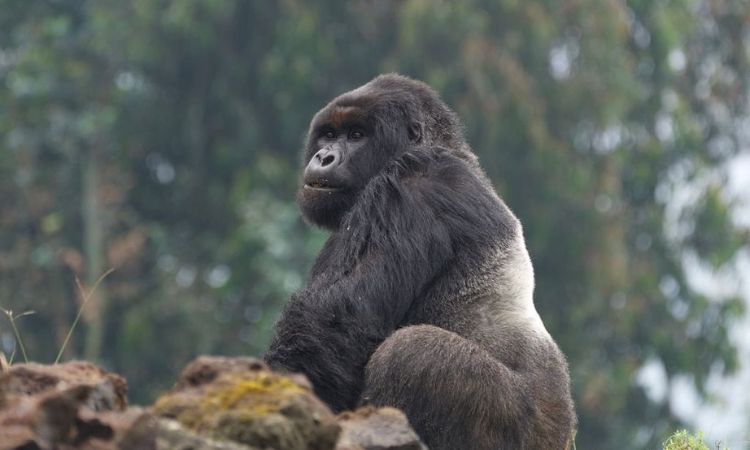
Scientific research and NGO involvement drive evidence-based conservation strategies.
Dian Fossey Gorilla Fund: Since 1967, the Dian Fossey Gorilla Fund has protected gorillas through research, ranger training, and community outreach. Their work in Rwanda’s Volcanoes National Park has been instrumental in population recovery.
WWF and IUCN Involvement: The World Wide Fund for Nature (WWF) and International Union for Conservation of Nature (IUCN) advocate for gorilla habitat protection and fund conservation programs across Africa.
Veterinary Programs: Gorilla Doctors provide medical care to sick or injured gorillas, treating conditions like respiratory infections or snare wounds. Their interventions have saved countless lives, boosting population numbers.
How You Can Help Save Mountain Gorillas
Everyone can play a role in protecting mountain gorillas, whether through travel, donations, or advocacy.
Visit Responsibly: Book a gorilla trek with a reputable operator like All Uganda Safaris Ltd., which prioritizes sustainable tourism. Follow park guidelines to minimize your impact on gorilla habitats.
Support Conservation NGOs: Donate to organizations like the Dian Fossey Gorilla Fund, WWF, or Gorilla Doctors. Even small contributions fund ranger patrols, veterinary care, and community projects.
Adopt a Gorilla Symbolically: Many NGOs offer symbolic adoption programs, where your donation supports a specific gorilla family. It’s a meaningful way to contribute and stay connected to conservation efforts.
Spread Awareness: Share information about mountain gorillas on social media or in your community. Raising awareness encourages others to support conservation and make informed travel choices.
Success Stories
Mountain gorilla conservation is a rare success in wildlife protection. From a low of ~620 individuals in the 1980s, the population now exceeds 1,000, thanks to decades of effort. In 2018, the IUCN downgraded mountain gorillas from “critically endangered” to “endangered,” a significant milestone.
Conservation heroes like Dian Fossey, who risked her life to protect gorillas, and modern rangers in Virunga National Park inspire hope.
Community projects, like Uganda’s revenue-sharing programs, have built schools and clinics, proving conservation can benefit humans and wildlife alike.
Future Challenges
Despite progress, mountain gorillas face ongoing threats that require vigilance.
Climate Change: Rising temperatures and changing rainfall patterns threaten gorilla habitats. Forests may shrink, reducing food availability and forcing gorillas into conflict with humans.
Political Instability: The DRC’s Virunga National Park remains a hotspot for militia activity, endangering rangers and gorillas. Stable governance is critical for long-term conservation.
Balancing Tourism and Conservation: While tourism funds conservation, too many visitors could stress gorilla populations. Strict regulations and operators like You, All Uganda Safaris Ltd. help maintain this balance.
Conclusion
Mountain gorillas are a symbol of hope in conservation, with their population rebounding through global and local efforts. By supporting eco-tourism, donating to NGOs, and spreading awareness, you can help ensure their survival.