Are there Chimpanzees in Uganda: Where & How to See Them
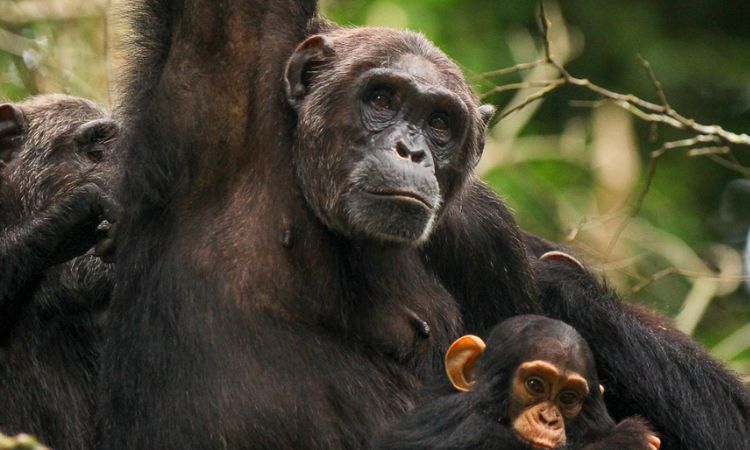
Are there Chimpanzees in Uganda: Uganda, often hailed as the “Pearl of Africa,” is a biodiversity hotspot teeming with incredible wildlife experiences. Among its most captivating offerings are chimpanzees in Uganda, our closest living relatives sharing about 98% of our DNA.
If you’re planning a Uganda wildlife safari, encountering these intelligent primates in their natural habitat is an unforgettable adventure. From dense rainforests to hidden gorges, primate trekking in Uganda draws thousands of visitors annually, blending conservation with thrilling exploration.
In this comprehensive guide, we’ll explore where to see chimpanzees in Uganda, the ins and outs of chimpanzee trekking in Uganda, and practical tips to make your journey seamless.
Whether you’re a first-time traveler or a seasoned safari enthusiast, discovering Kibale National Park chimpanzees and beyond promises profound insights into primate behavior and ecosystem preservation.
Chimpanzee trekking isn’t just about spotting these acrobatic apes; it’s a journey into conservation efforts that protect endangered species amid habitat loss and poaching threats.
Uganda hosts over 5,000 chimpanzees across its protected areas, making it one of the premier destinations for ethical wildlife encounters.
As you delve into chimpanzee tracking permits and safari logistics, remember that responsible tourism supports local communities and park rangers. Ready to swing through the treetops? Let’s break it down.
Where to See Chimpanzees in Uganda
Uganda’s lush forests and reserves provide ideal homes for chimpanzee communities, with habituated groups allowing close-up observations.
Habituation— a multi-year process where chimps grow accustomed to human presence—ensures safe, non-intrusive viewing.
The country’s southwestern and western regions boast the highest densities, often integrated into broader Uganda wildlife safaris that include big game and birdwatching.
Key spots for where to see chimpanzees in Uganda include national parks and forest reserves, each offering unique terrains and success rates for sightings.

Below are the popular destinations for chimpanzee tracking in Uganda;
Kibale National Park
Nestled in western Uganda, Kibale National Park reigns supreme as the ultimate haven for Kibale National Park chimpanzees. Spanning 795 square kilometers, this montane forest is home to the largest chimpanzee population in East Africa—over 1,500 individuals across 13 habituated communities.
With a staggering 95% sighting success rate, it’s the go-to for primate trekking Uganda enthusiasts. The park’s canopy teems with life: expect to spot red colobus monkeys, L’Hoest’s monkeys, and over 375 bird species like the African grey parrot amid towering mahogany trees.
Trekking here starts with a briefing at the visitor center, followed by a guided hike lasting 2-5 hours. Trails vary from easy forest paths to steeper inclines, but the reward is chimps foraging, grooming, and vocalizing dramatically.
Kibale’s accessibility— just a 5-hour drive from Entebbe—makes it perfect for multi-day itineraries combining chimp tracking with nearby Queen Elizabeth National Park for elephant safaris.
Conservation highlights include ongoing research by Japanese scientists, emphasizing Kibale’s role in global primate studies.
Budongo Forest
For a more intimate encounter, head to Budongo Forest in the northwest, part of Murchison Falls National Park’s buffer zone. This 428-square-kilometer reserve shelters around 600 chimpanzees in six habituated groups, with an 80-90% sighting rate.
Managed by the National Forestry Authority, Budongo offers a quieter alternative to busier sites, ideal for those seeking solitude in chimpanzee trekking in Uganda.
The forest’s ironwood trees and swampy undergrowth create a prime habitat, where chimps build nests high in the canopy. Treks launch from the Budongo Research Station, blending adventure with education—visitors often join researchers observing tool-use behaviors, like chimps cracking nuts with stones.
At 4-6 hours round-trip, hikes are moderately challenging, but the low tourist volume (fewer than 20 permits daily) ensures a personal experience. Pair it with a Nile River cruise for a full-spectrum safari.
Other notable spots include Kyambura Gorge in Queen Elizabeth National Park, a dramatic 100-meter-deep “lost forest” with 80-90% success rates and $80 permits, and budget-friendly Kalinzu Forest ($50 permits, 90% sightings).
Kyambura Gorge (Queen Elizabeth National Park)
This dramatic 100-meter-deep gorge, known as the “Valley of Apes,” hosts 80-90% chimpanzee sighting rates. With $100 permits, guided 2-4 hour treks reveal chimps in a lush, riverine forest. Combine with savanna safaris for a diverse Uganda wildlife safari. Limited permits ensure exclusivity.
Kalinzu Forest
A budget-friendly gem, Kalinzu Forest offers 90% chimpanzee sighting success for $50 permits. Located near Queen Elizabeth National Park, its dense trails host 300 chimps.
Guided 2-3 hour treks provide affordable primate trekking Uganda experiences, ideal for pairing with big game safaris or cultural visits.
Semuliki Wildlife Reserve
Near the Congo border, Semuliki’s remote 220-square-kilometer forest shelters 260 chimpanzees. With 80% sighting rates and $50-$100 permits, 3-5 hour treks offer an off-the-beaten-path adventure.
Expect diverse wildlife, like forest elephants, in this bird-rich reserve, perfect for intrepid chimpanzee trekking in Uganda enthusiasts.
Ngamba Island Chimpanzee Sanctuary
On Lake Victoria, Ngamba Island Sanctuary houses 52 orphaned chimpanzees. A 45-minute boat ride from Entebbe, $90 day trips offer ethical viewing, feedings, and behind-the-scenes tours. Ideal for families (no age limit), it’s a conservation-focused alternative to wild chimpanzee trekking in Uganda.
How to see chimpanzees in Uganda
To see chimpanzees in Uganda, secure a chimpanzee trekking permit through the Uganda Wildlife Authority (UWA) or a trusted tour operator. At All Uganda Safaris, we provide all-inclusive chimpanzee trekking experiences, seamlessly arranging your adventure to top destinations like Kibale National Park (95% sighting rate, $250 permit).
Contact us 3-6 months in advance to select your date, with full payment due 90 days prior. At the park, attend a dawn briefing on etiquette (maintain 7-10m distance, no flash photography).
Embark on a 2-5 hour guided hike through lush forests, tracking chimps with rangers. Observe these vibrant primates swinging, grooming, and vocalizing for one hour, contributing to conservation through your permit.

What is Chimpanzee Trekking?
Chimpanzee trekking in Uganda is an immersive guided hike into primate habitats, allowing you to observe wild chimpanzees for up to one hour once located.
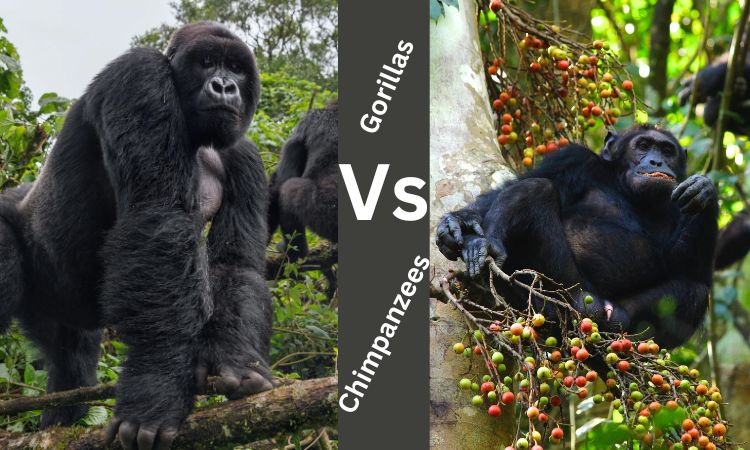
Unlike gorillas, which stay grounded, chimps are arboreal dynamos—expect them leaping between branches, hooting territorial calls, or sharing fruits in troops of 20-150 members. Rangers, armed with rifles for anti-poaching deterrence, lead small groups (max 6-8 people) using chimp-tracking collars and vocal cues to locate communities.
The experience begins at dawn or midday, with briefings on etiquette: maintain 7-10 meters distance, no flash photography, and silence to minimize stress. Treks last 2-7 hours, covering 5-10 kilometers through muddy trails or vine-choked understory.
It’s less physically demanding than gorilla trekking—flatter terrain in most areas—but requires moderate fitness for stream crossings and inclines. For deeper immersion, opt for habituation experiences (4+ hours with researchers), available mainly in Kibale.
This activity underscores primate trekking Uganda‘s ethical core: permits fund anti-poaching patrols and community projects, like beekeeping cooperatives that reduce forest encroachment. It’s not just sightseeing; it’s contributing to a legacy where Uganda leads in great ape conservation.
Uganda Chimpanzee Trekking Permit Costs
Securing a chimpanzee tracking permit is essential for chimpanzee trekking in Uganda, issued by the Uganda Wildlife Authority (UWA) or National Forestry Authority.
Permits are date- and name-specific, non-transferable, and limited (e.g., 60/day in Kibale). Book 3-6 months ahead via UWA’s online portal or tour operators—full payment due 90 days prior.
Costs vary by site and nationality (2024-2026 rates):
|
Location |
Foreign Non-Resident |
Foreign Resident |
East African Citizens |
|
Kibale National Park |
$250 |
$200 |
180,000 UGX (~$48) |
|
Budongo Forest |
$130 |
$120 |
85,000 UGX (~$23) |
|
Kyambura Gorge |
$100 |
$80 |
50,000 UGX (~$13) |
|
Kalinzu Forest |
$50 |
$40 |
30,000 UGX (~$8) |
|
Habituation (Kibale) |
$300 |
$250 |
250,000 UGX (~$67) |
Notes:
- Rates are for 2024-2026 and include guide fees. Entrance fees are excluded except for Kibale National Park.
- Chimpanzee tracking permits also include a nature walk on the day of tracking.
- Habituation experience allows 4+ hours with chimpanzees and is only available in Kibale.
Add park entry ($40/day non-resident), transport ($100-200 from Kampala), and lodging ($100-300/night). Total for a 3-day trek: $500-800/person. Low season discounts apply March-May/November. Tour packages bundle permits, easing logistics.
Best Time to Visit
Timing your Uganda wildlife safari around best time to see chimpanzees in Uganda maximizes comfort and sightings.
Chimpanzees are year-round residents, but dry seasons offer optimal conditions: June to October and December to February.
These periods feature clearer trails, less mud, and more ground time for chimps (they descend from trees when fruit is abundant). Rainfall is minimal (under 100mm/month), reducing leech risks and improving visibility—perfect for photography.
Wet seasons (March-May, October-November) bring lush greenery and fewer crowds, with permits easier to snag. However, expect slippery paths, swollen rivers, and 70% more rain, which can make hikes tougher.
Success rates dip slightly (80-85%) as chimps stick to canopies. Peak dry months like July-September align with global travel surges, so book early.
For budget travelers, low season slashes accommodation costs by 20-30%, though roads may challenge 4×4 rentals.
Combine with best time to see chimpanzees in Uganda for gorillas—overlapping dry windows streamline i
Tips for Chimpanzee Trekking
Maximize your primate trekking Uganda with these essentials: Pack sturdy boots, rain gear, insect repellent, binoculars, and a dry bag—trails get wet.
Stay hydrated; carry snacks but no litter. Fitness-wise, train with hikes; minimum age is 12. Respect rules: no touching chimps, follow the “leave no trace” ethos.
Choose operators via UWA listings for ethical standards. Vaccinations (yellow fever) and malaria prophylaxis are musts; get travel insurance covering evacuations.
For families, Kibale’s easier paths suit beginners. Post-trek, unwind with cultural village visits, enhancing your Uganda wildlife safari.
Frequently Asked Questions
Q: Are there chimpanzees in Uganda? Absolutely—Uganda hosts thriving populations, making it a top spot for ethical viewing.
Q: What’s the best time to see chimpanzees in Uganda? Dry seasons (June-Oct, Dec-Feb) for easier treks and higher visibility.
Q: How much is a chimpanzee tracking permit? $50-$250, depending on location and residency.
Q: Is chimpanzee trekking safe? Yes, with armed rangers; follow guidelines to avoid risks.
Q: Can kids join chimpanzee trekking in Uganda? Children 12+; under 12 can visit sanctuaries like Ngamba Island.
Embrace the wild call of chimpanzees in Uganda—Contact us to book your adventure today and connect with nature’s clever kin.
Book a Chimpanzee Trekking Safari