Top 7 Intriguing Facts about a Uganda Museum: Entrance Fee, Photos
Uganda Museum: Are you planning a trip to Uganda and wondering where to dive deep into its vibrant history and diverse cultures? Look no further than the Uganda Museum in Kampala. As East Africa’s oldest museum, established in 1908, this iconic institution is a must-visit for history buffs, culture enthusiasts, and families seeking an enriching experience.
Nestled on Kitante Hill, the Uganda Museum offers a captivating journey through over two million years of human and natural heritage, from ancient fossils to traditional musical instruments.
In this comprehensive guide, we’ll cover everything you need to know about the Uganda Museum—its rich history, must-see exhibits like things found in the Uganda Museum, practical details on Uganda Museum entrance fee and opening hours, Uganda Museum tours, and why it’s poised to shine brighter post-renovation.
As experts at All Uganda Safaris, we’ll also share how our tailored trips seamlessly include the Uganda Museum for an unforgettable cultural primer to your wildlife adventures.
Whether you’re searching for “Uganda Museum exhibits,” “Kampala cultural attractions,” “best museums in East Africa,” or “Uganda safaris with museum visits,” this overview has you covered.
A Brief History of the Uganda Museum: From Colonial Roots to National Icon
The story of the Uganda Museum begins in the early 20th century, amid British colonial rule. In 1902, Deputy Governor George Wilson urged the collection of “all articles of interest” across Uganda to preserve its unique cultural identity.
This initiative culminated in the museum’s official founding in 1908 by the British protectorate government, initially focusing on ethnographic materials.
Housed in a modest Sikh temple at Fort Lugard on Old Kampala Hill, it was locally dubbed “nyumba ya mayembe” (house of fetishes) by the Baganda people, who viewed its artifacts with a mix of awe and superstition.
As collections grew—thanks to excavations by figures like Bishop J. Wilson and E. Lanning—the space proved inadequate.
In 1941, the museum relocated to the Margaret Trowell School of Fine Art at Makerere University College. By 1954, with funds raised through public contributions, it settled into its current home on Plot 5, Kira Road, designed by renowned German architect Ernst May.
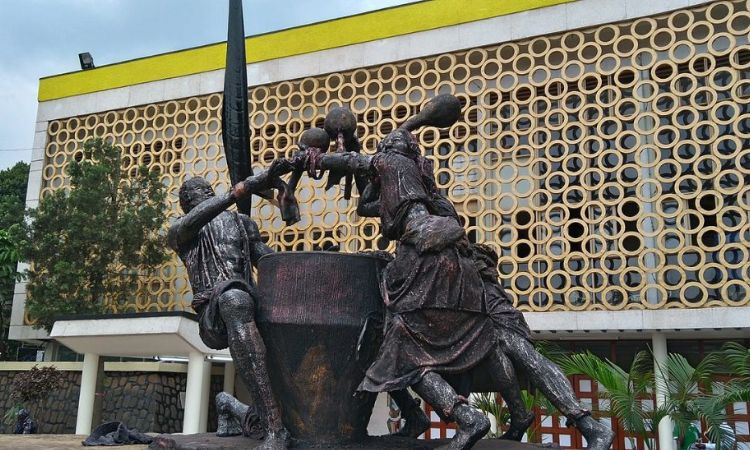
May’s modernist design prioritized natural light and ventilation, ensuring artifact preservation while creating an airy, welcoming space—a historical landmark in its own right.
The museum marked its centennial in 2008, celebrating a century of safeguarding Uganda’s heritage. It faced challenges, including a 2011 demolition threat for a proposed East African Trade Centre (Kampala Tower), which civil society groups successfully challenged in court.
Today, managed by the Department of Museums and Monuments under the Ministry of Tourism, Wildlife, and Antiquities (MTWA), it continues its mandate: collecting, conserving, studying, and disseminating cultural and natural heritage for education and enjoyment.
After a major 10-month renovation closing from August 1, 2024, to May 31, 2025, it reopened in June 2025 with enhanced displays, interactive tech, and restored facilities—elevating it to a world-class venue.

Location and How to Get to the Uganda Museum in Kampala
Conveniently located just 5 kilometers northeast of Kampala’s bustling city center, the Uganda Museum sits on Kitante Hill at Plot 5, Old Kira Road (coordinates: 0°20′9.49″N 32°34′57.04″E), opposite Levels Lounge and near Mulago Roundabout.
From Wandegeya Trading Centre, head toward Mulago, then continue to Kamwokya—it’s a quick 10-15 minute drive from downtown.
Getting there is straightforward for all travelers. Taxis (matatus) to Kamwokya or Ntinda stop nearby; boda bodas (motorcycle taxis) offer a thrilling, affordable ride for about UGX 2,000-5,000 ($0.50-1.50 USD).
Private transfers or Uber are ideal for comfort, especially with luggage. If you’re on a Kampala city tour, most operators include the museum as a highlight—book via us, at All Uganda Safaris for seamless integration with gorilla trekking or wildlife safaris. Parking is available on-site, and the area feels safe during daylight hours.
Architecture and Facilities: A Blend of Preservation and Modern Comfort
Step into the Uganda Museum, and Ernst May’s architectural genius unfolds. The low-slung building emphasizes open courtyards, high ceilings, and cross-ventilation—perfect for Uganda’s tropical climate and artifact longevity.
Natural light floods the galleries, creating an inviting atmosphere without harsh fluorescents. Post-2025 renovations, expect upgraded lighting, climate control, and digital interactives for a more immersive feel.
Facilities cater to diverse needs. A canteen serves traditional Ugandan dishes like matoke (banana mash) and luwombo (stew in banana leaves), while an internet café and gift shops stock crafts, books, and souvenirs—ideal for last-minute mementos.
The auditorium hosts lectures and performances. For accessibility, ramps and wide pathways assist visitors with mobility issues, though audio guides are limited—contact ahead for updates.
Note: Backpacks must be checked for security; the museum isn’t liable for valuables. Photography for personal use is permitted at a small fee (no flash in special exhibits).
Must-See Exhibits: Uncovering Uganda’s Cultural and Natural Heritage—Things Found in the Uganda Museum
The Uganda Museum boasts over 100,000 artifacts across five main galleries, spanning archaeology, ethnography, history, natural history, and music.
It’s a vivid tapestry of Uganda’s 50+ ethnic groups and ancient past—here’s a rundown of things found in the Uganda Museum that make it unmissable.
Ethnography Gallery (Tribal Hall): Enter through a traditional reed door into a world of daily life and ceremonies. Over 100,000 objects showcase bark cloth from the Baganda, hunting tools from the Karamojong, and regalia from the Banyankole.
Exhibits cover health practices, warfare (spears, shields), traditional dress, and rituals—housed in wooden “shop window” cases for an intimate feel.
It’s a crash course in Uganda’s diversity, from Basoga pottery to Bakiga beadwork, ceremonial masks, textiles, and craftsmanship tools.
Traditional Music Gallery: Curated by Dr. Klaus Wachsmann in 1948, this interactive space features East African instruments: thunderous drums, lyres (adungu), flutes, xylophones, and stringed ennanga.
Visitors can play select pieces, echoing rhythms from ancient kingdoms. It’s hands-on history at its best, with displays on traditional dance and music’s role in rituals.
Archaeology and Early History: Delve into Stone Age tools (over a million years old) and Iron Age relics from sites like Ntusi and Bigo bya Mugenyi.
The Independence Pavilion highlights science, industry, and transport, including Uganda’s seventh car and first printing press—artifacts that trace colonial to modern transitions.
Natural History and Paleontology: Fossil fans rejoice! Specimens from Karamoja (Napak, Moroto) and Mount Elgon include the 19-20 million-year-old Uganda Pithecus, long-horned buffalo, and Indian elephant bones. Entomological displays highlight biodiversity, with taxidermy of flora, fauna, and over 375 bird species—collaborations yielding publications in Geo-Pal journal.
Outside, the “Living Museum” cultural village recreates traditional homesteads—grass-thatched huts from Busoga, Toro, Ankole, and more.
Peek inside for milk pots, gourds, circumcision tools, brewing calabashes, and Acholi/Alur houses from the north, immersing you in pre-colonial life.
Notable repatriations in 2024 added 39 colonial-era artifacts from the University of Cambridge, now in a dedicated gallery—sacred items symbolizing cultural restitution.

Uganda Museum Tours: Guided Experiences for Deeper Insights
Enhance your visit with Uganda Museum tours—expert-led explorations that bring exhibits to life. On-site guided tours (UGX 20,000-30,000 extra per group, 1-2 hours) are available daily, led by knowledgeable staff like the engaging Rose, who weaves stories of Uganda’s pre-colonial eras.
These cover all galleries, with hands-on demos like playing adungu lyres or explaining warfare artifacts. Student and outreach programs include workshops, films, and curriculum-tied lessons—perfect for families or schools.
For a broader adventure, combine with our Kampala city tours, blending the museum with Kasubi Tombs and markets. As All Uganda Safaris, we specialize in seamless integrations: Our guides provide complimentary museum overviews en route to safaris, ensuring you grasp cultural contexts before gorilla encounters.
Visitor Information: Uganda Museum Entrance Fee, Opening Hours, and Tips for 2025
Uganda Museum Opening Hours: Now fully operational post-renovation, the museum welcomes visitors Monday-Sunday and public holidays from 9:00 AM-5:30 PM.
Evening events may extend access—check for concerts or festivals. Allow 1-2 hours; it’s open year-round, but confirm with your trusted tour operator for holiday adjustments.
Uganda Museum Entrance Fee: Affordable and value-packed—foreign adults: UGX 15,000-20,000 ($4-5.50 USD); East Africans: UGX 5,000-10,000; Ugandan citizens/students: UGX 2,000-5,000 (free for kids under 12). Groups and photography add-ons are discounted. Fees support conservation—pay at the gate or online via ugandamuseums.or.ug.
Best time to visit: June-September (dry season) for pleasant weather and fewer crowds. Early mornings beat the heat; combine with nearby Bahá’í Temple or Kasubi Tombs for a full day. Dress modestly for cultural respect.
Other Places to Visit in Kampala Spicing Up Your Visit to the Uganda Museum
Make your Uganda Museum visit a full-day cultural adventure by exploring these nearby Kampala gems, easily woven into our All Uganda Safaris itineraries for a vibrant city experience:
- Kasubi Tombs (5 km, 15-min drive): A UNESCO World Heritage Site, this sacred burial ground of Buganda kings showcases Ganda architecture and history. Marvel at the massive thatched dome and learn about royal traditions—perfect post-museum context.
- Bahá’í Temple (3 km, 10-min drive): Perched on Kikaaya Hill, this “Mother Temple of Africa” offers serene gardens and stunning city views. Its unique nine-sided design and spiritual ambiance complement the museum’s cultural depth.
- Namugongo Martyrs Shrine (10 km, 20-min drive): Commemorating 45 Christian martyrs executed in 1886, this site blends history and faith. The basilica and museum here add a poignant layer to your cultural journey.
- Gaddafi National Mosque (4 km, 12-min drive): Climb the minaret for panoramic Kampala views and explore Islamic heritage. Its hilltop location pairs well with the museum’s ethnographic insights.
- Owino Market (6 km, 15-min drive): Dive into Kampala’s bustling heart for crafts, fabrics, and street food like rolex. A lively contrast to the museum’s calm, it’s ideal for souvenirs and local vibes.
Why Visit the Uganda Museum? F
The Uganda Museum isn’t just a building—it’s Uganda’s soul preserved. From the haunting call of a played adungu to the whisper of ancient fossils, it bridges past and present, fostering pride in a nation of 56 ethnicities.
As it thrives in 2025, polished and interactive, it’s set to rank among Africa’s top cultural gems. Whether solo, with kids, or on safari with All Uganda Safaris, allocate time here—it’s the perfect primer for Uganda’s wonders. Plan now: Book tickets, pack curiosity, and uncover why this Kampala icon endures.