Top 7 Sustainable Adventures in Uganda for Eco Travelers
Sustainable Adventures in Uganda: Discover the top 7 sustainable adventures in Uganda for eco-conscious travelers: gorilla trekking, Rwenzori hikes, community stays & more. Responsible, low-impact experiences that protect wildlife and support local communities. Plan your green Uganda safari now!
Uganda, affectionately known as the “Pearl of Africa,” is one of Africa’s most biodiverse countries and a global leader in community-centered and conservation-driven tourism.
With 10 national parks, 12 wildlife reserves, and over 1,060 recorded bird species, Uganda proves that adventure and environmental responsibility can go hand-in-hand.
For eco-conscious travelers, Uganda offers experiences that leave a positive footprint: gorilla permit revenue has helped the mountain gorilla population grow from 620 in 1989 to over 1,063 today, community tourism projects employ thousands of locals, and many lodges now run on solar power with strict zero-single-use-plastic policies.
If you’re searching for sustainable adventures in that protect Uganda wildlife, uplift local communities, and minimize carbon emissions, here are the top 7 sustainable adventures in Uganda you should add to your bucket list in 2025–2026.

Sustainable adventures in Uganda
1. Gorilla Trekking in Bwindi Impenetrable & Mgahinga Gorilla National Parks
The ultimate bucket-list sustainable adventure
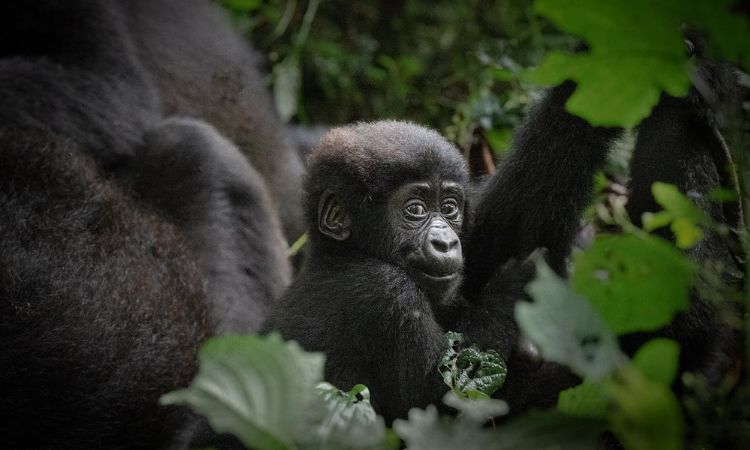
Gorilla trekking remains the gold standard of responsible wildlife tourism worldwide. In Uganda, only 96 permits are issued per day for Bwindi Impenetrable Forest and 8 for Mgahinga Gorilla National Park, ensuring minimal disturbance to the habituated mountain gorilla families. currently Uganda 22 habituated gorilla families.
Why it’s sustainable:
- 20% of every US $800 gorilla permit fee goes directly to local communities surrounding the parks (schools, health centers, roads).
- The rest funds anti-poaching patrols, habitat restoration, and veterinary care through the Uganda Wildlife Authority (UWA) and partners like the International Gorilla Conservation Programme (IGCP).
- Strict rules (7-meter distance, 1-hour visit, masks mandatory) protect gorillas from human diseases.
The experience:
After an early morning briefing at UWA headquarters, you trek 2–7 hours through ancient montane forest with an expert guide and trackers. When you finally sit quietly among a silverback and his family, the moment is life-changing — and 100% carbon-offsettable through many responsible operators.
Pro tip from All Uganda Safaris: Book the Gorilla Habituation Experience (US $1,500, only 8 permits/day) in Rushaga sector for 4 hours with researchers — the most intimate and educational gorilla experience on the planet.
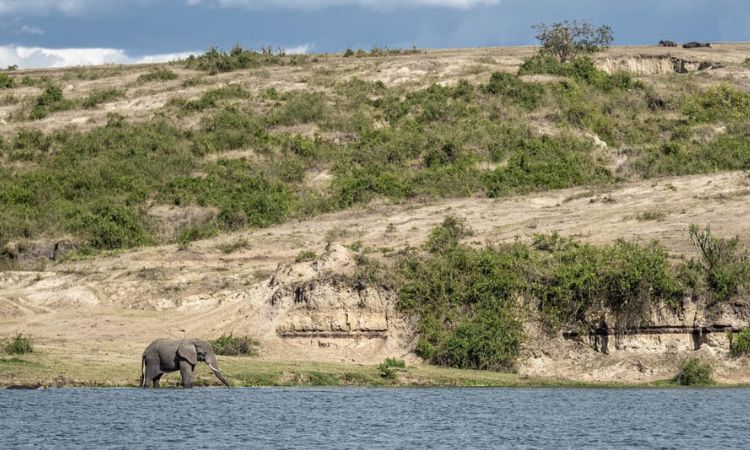
2. Birdwatching & Responsible Game Drives in Queen Elizabeth National Park
Home to 612 bird species — the 6th highest count of any protected area on Earth
Queen Elizabeth National Park (QENP) has pioneered community conservation partnerships since the 1990s. Programs such as the Queen Elizabeth Conservation Schools Outreach reach over 15,000 children annually, dramatically reducing bushmeat poaching.
Why it’s sustainable:
- Over 90% of park guides and drivers are hired from neighboring villages.
- Revenue-sharing schemes have built 38 classroom blocks and 12 health centers since 2001.
- Electric safari vehicles and solar-powered boats are now offered by several lodges (e.g., Kyambura Gorge Lodge & Mweya Safari Lodge).
Highlight experiences:
- Dawn birding along the Kazinga Channel (African skimmers, papyrus gonoleks, shoebills in season).
- Lion tracking with researchers from the Uganda Carnivore Program (you help collect data while viewing the famous tree-climbing lions).
- Chimpanzee tracking in Kyambura Gorge or Kalinzu Forest — both community-managed reserves.
3. Hiking the Mystical Rwenzori Mountains — “Mountains of the Moon”
A UNESCO World Heritage Site with Africa’s third-highest peak
The Rwenzori Mountains National Park protects glacial peaks, afro-alpine vegetation, and endemic species found nowhere else on Earth. The Uganda Wildlife Authority and the Rwenzori Mountaineering Services (RMS) — a community cooperative — jointly manage all treks.
Why it’s sustainable:
- Every trek employs local Bakonzo porters and guides (average wage 3× the regional rate).
- Boardwalks and improved trails prevent soil erosion in this fragile high-altitude ecosystem.
- 20% of park fees fund community projects such as clean water schemes and beekeeping cooperatives.
Popular routes:
- 7-day Central Circuit to Margherita Peak (5,109 m) — for experienced mountaineers.
- 4–5 day Nature Walks in the lower foothills — perfect for moderate hikers wanting giant lobelias and everlasting flowers without the full climb.
Stay at: Equator Snow Lodge or Rwenzori Trekkers Hostel — both community-owned and plastic-free.
4. Community-Led Cultural Stays in Karamoja Region
Authentic, low-impact immersion with Uganda’s last semi-nomadic tribes
North-eastern Uganda’s Karamoja region is opening up to responsible tourism through initiatives like Kara-Tunga and Visit Karamoja. Visitors stay in traditional manyattas, learn ancient cattle-herding culture, and directly fund education and health projects.
Why it’s sustainable:
- 70–90% of tourist revenue stays within the community (one of the highest rates in Africa).
- Cultural tours discourage harmful practices (e.g., child marriage) through education funded by tourism.
- Walking or cycling safaris replace vehicle use.
Highlights:
- Beading workshops with Karamojong women.
- Visiting a cattle kraal at sunset with warrior guides.
- Sleeping under the clearest night sky in East Africa (minimal light pollution).
5. Eco-Lodge Retreats at Lake Bunyonyi — Africa’s deepest crater lake
“Place of many little birds”
Lake Bunyonyi is free of bilharzia and hippos, making it perfect for swimming and canoeing. A cluster of award-winning eco-lodges has turned this area into Uganda’s poster child for green accommodation.
Standout sustainable properties:
- BirdNest Resort — runs entirely on solar, recycles grey water for gardens, banned single-use plastic in 2017.
- Byoona Amagara on Itambira Island — built from local materials, compost toilets, community library funded by guest stays.
- Lake Bunyonyi Eco-Resort — reforestation project has planted over 30,000 native trees since 2016.
Activities:
- Dugout canoe paddling with local guides.
- Hiking terraced hills to Batwa (pygmy) communities.
- Volunteering at the on-site primary school.
6. Canoeing & Island-Hopping on Pristine Lake Mutanda
Often called “the most beautiful lake in Uganda”
Nestled between Bwindi and Mgahinga parks, Lake Mutanda remains almost entirely non-motorized. Local cooperatives rent traditional dugout canoes and train youth as guides.
Why it’s sustainable:
- Zero engine noise preserves birdlife and the serene atmosphere.
- Homestays and campsites are owned by local families.
- Part of entrance fees supports the Mutanda Lake Conservation Group, which removes invasive water hyacinth.
Best experience:
Sunrise paddle to Python Island, followed by a hike up Mt. Muhavura for panoramic views of the Virunga volcanoes.
Recommended stay: Mutanda Lake Resort — solar-powered, organic vegetable garden, and winner of the 2024 African Responsible Tourism Award for “Best for Local Economic Benefit.”

7. Sipi Falls Community Hikes & Coffee Tours
Waterfalls, arabica coffee, and Bagisu culture on the slopes of Mt. Elgon
Sipi Falls has become a model for community-based tourism on the western side of Mt. Elgon National Park. The Sipi Tourism Guides Association ensures every visitor hires a local guide, and homestays are plentiful.
Why it’s sustainable:
- Coffee tour profits fund the Robusta Coffee Primary School (300+ students).
- Reforestation projects have restored watersheds — the three waterfalls now flow year-round again.
- Abseiling and hiking use fixed ropes instead of cutting new paths.
Don’t miss:
- Full-day hike behind all three waterfalls with a local guide.
- Sunset from the “Cave of Legends” with stories from Bagisu elders.
- Hands-on coffee tour: pick, roast, and brew your own cup.
Final Tips for Traveling Sustainably in Uganda in 2025–2026
- Choose operators with certifications Look for Uganda Tourism Board registration + at least one of these:
- Responsible Tourism Partnership
- Travelife Certified
- GSTC (Global Sustainable Tourism Council) recognition
- Offset your flights Many Ugandan operators (including All Uganda Safaris) partner with carbon-offset programs that plant trees in Kibale or the Albertine Rift.
- Pack responsibly Reusable water bottle (tap water is safe at most lodges now have filtration), reef-safe sunscreen, and quick-dry clothing to reduce laundry.
- Support local Buy crafts directly from artisans (e.g., bark-cloth in Bwindi, baskets in Karamoja) rather than hotel gift shops.
Ready to Plan Your Sustainable Uganda Adventure?
At All Uganda Safaris, every itinerary we design is carbon-conscious, community-focused, and wildlife-friendly. Whether you want a 10-day “Best of Sustainable Uganda” journey combining gorillas, Rwenzori trekking, and Sipi Falls, or a fully customized private trip, we guarantee:
- 100% local employment on every tour
- Carbon offsetting included at no extra cost
- Hand-picked eco-lodges and community projects
- 5% of our profits donated to the Uganda Conservation Foundation
Contact us today for a free consultation and let’s craft an adventure that protects Uganda’s treasures for generations to come.