Gorilla Trekking Safety:Tips for a Safe Experience in Africa
Gorilla trekking safety guide 2026: Is it safe in Uganda, Rwanda & Congo? Expert tips, rules, packing list, health precautions & how to choose safe tours for a responsible adventure.
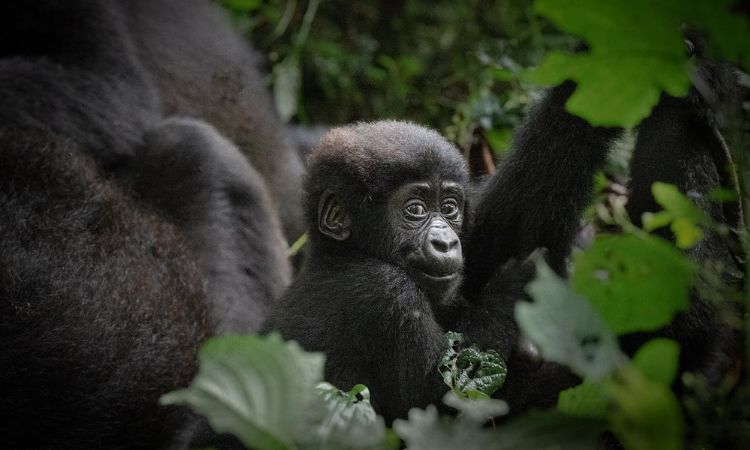
Gorilla trekking is one of the world’s most extraordinary wildlife encounters—spending one magical hour with a habituated family of critically endangered mountain gorillas in the misty volcanoes of East and Central Africa.
The only places on earth where you can do this are Bwindi Impenetrable National Park and Mgahinga Gorilla National Park in Uganda, Volcanoes National Park in Rwanda, and Virunga National Park in the Democratic Republic of Congo.
While the idea of walking through dense jungle to meet 400-pound silverback gorilla sounds thrilling (and slightly intimidating), gorilla trekking is remarkably safe when proper protocols are followed.
This comprehensive gorilla trekking safety guide answers the question “Is gorilla trekking safe?” and gives you every practical tip you need for a secure, responsible, and unforgettable adventure.
What Makes Gorilla Trekking One of the Safest Wildlife Experiences?
Despite their powerful appearance, habituated mountain gorillas are calm and gentle with humans. Treks are strictly regulated by national parks, limited to groups of only 8 visitors per gorilla family per day, and always led by armed rangers and experienced trackers who monitor gorilla behavior daily.
The combination of decades-long habituation programs, professional security, and iron-clad rules makes the actual risk level of gorilla trekking very low—far lower than many people imagine.

Safety Requirements & Preparation Before Your Trek
You cannot simply show up and trek. Every country requires:
- A gorilla permit (USD $400–$1,500 depending on country and season) booked months in advance
- Minimum age of 15 years (strictly enforced)
- Good physical health and moderate fitness—treks can last 2–8 hours on steep, muddy terrain
- Proof of yellow fever vaccination (mandatory for Rwanda and sometimes checked in Uganda)
- Recommended vaccinations: Hepatitis A & B, rabies pre-exposure, meningitis, and COVID-19
- Comprehensive travel insurance with high-altitude evacuation and medical coverage (gorillas live at 2,200–4,300 m / 7,200–14,100 ft)
Pro tip: Disclose any recent illness to your operator. Gorillas share 98% of our DNA and are extremely vulnerable to human diseases—even a common cold can be fatal to them.
Gorilla Trekking Safety Rules During the Trek
These rules exist for your safety and the gorillas’ survival:
- Keep 7–10 meters (22–33 feet) distance at all times
- Follow your ranger’s instructions immediately and without question
- Speak in low whispers only
- No eating, drinking, or smoking near the gorillas
- No flash photography (it startles them)
- Turn away and crouch if a gorilla charges (99% are mock charges)
- Avoid direct eye contact with silverbacks—they perceive it as a challenge
- Never touch a gorilla, even if a curious juvenile approaches
- Wear a surgical mask when within 10 meters (still required in Rwanda and Uganda in 2025)
- Bury human waste 30 cm deep and pack out all trash
The Role of Professional Rangers in Keeping You Safe
Your safety is in expert hands. Rangers carry AK-47s not because gorillas are dangerous, but to protect against rare encounters with forest elephants or poachers.
More importantly, they read gorilla body language like a book—they’ll recognize warning signs (chest-beating, grunting, sideways stares) long before you do and position the group accordingly. In 20+ years of guiding, most rangers have never seen a real injury from a gorilla.
Health & Disease Transmission Safety
Mountain gorillas have no immunity to human illnesses. A single respiratory infection wiped out an entire family in the past. Parks now enforce:
- Mandatory mask-wearing within 10 m of gorillas
- Hand sanitation before entering the forest
- Health screening the morning of the trek
- Immediate exclusion if you show any symptoms of illness
Environmental & Terrain Safety Tips
The biggest real risk isn’t gorillas—it’s the terrain. Dense jungle, stinging nettles, steep slopes, and sudden rain make good gear essential:
- Sturdy, waterproof hiking boots with ankle support
- Gardening gloves to grip nettles
- Gaiters to keep ants out of your pants
- Long-sleeved shirt and pants (tucked in)
- Rain jacket and backpack cover
- At least 2–3 liters of water
- Walking stick (providedons provided at the trailhead)

Security Situation by Country (2025 Update)
Uganda – Extremely safe. Bwindi and Mgahinga have had zero security incidents affecting tourists in over a decade. Tourist police escort vehicles in some areas.
Rwanda – One of the safest countries in Africa. Volcanoes National Park is heavily protected; crime against tourists is virtually nonexistent.
DR Congo (Virunga) – Only the gorilla sector in the Mikeno area is open for tourism. ICCN rangers provide armed protection. Travel only with ICCN-approved operators. The rest of the park and country remains high-risk.
Gorilla Trekking Packing Checklist
✓ Waterproof hiking boots
✓ Thick gardening gloves
✓ Gaiters (essential in Uganda)
✓ Long pants & long-sleeved shirt
✓ Rain jacket & poncho
✓ Surgical masks (10–20)
✓ High-energy snacks
✓ 2–3 liters water
✓ Walking stick (provided)
✓ Camera (no flash) + extra batteries
✓ Small first-aid kit & personal medication
✓ Porter hire ($15–20—highly recommended)
How to Choose a Reputable & Safe Tour Operator
- Book only through operators registered with UWA (Uganda), RDB (Rwanda), or ICCN (Congo)
- Check recent TripAdvisor and SafariBookings reviews focusing on safety mentions
- Confirm your guide has at least 5 years of gorilla trekking experience
- Maximum 8 clients per group (never accept overbooking)
Common Gorilla Trekking Myths vs Reality
Myth: Gorillas are aggressive and will attack
Reality: Habituated gorillas see humans as neutral. Actual physical contact is extraordinarily rare.
Myth: You can get as close as you want
Reality: Rangers enforce the 10-meter rule strictly—violators are removed and fined.
Myth: It’s safe to trek when you have a cold
Reality: You will be turned away. Gorillas can die from human viruses.
FAQs about gorilla trekking safety guide
Is gorilla trekking safe?
Yes—extremely safe when you follow regulations. Injuries from gorillas are almost unheard of.
How dangerous are mountain gorillas?
Habituated gorillas are not dangerous. The real risks are terrain-related slips and falls.
What happens if a gorilla charges?
Stand still, crouch down, avoid eye contact, and let the ranger handle it. 99% of charges stop short.
Which country has the safest gorilla trekking?
Uganda and Rwanda are equally safe. Rwanda offers shorter average treks; Uganda offers more gorilla families and lower permit cost.
Can children go gorilla trekking?
No—minimum age is 15 in all three countries.
Final Safety Summary
Gorilla trekking is considered one of the safest wildlife experiences on earth when you:
- Book with a licensed operator
- Follow every ranger instruction
- Maintain the 10-meter distance
- Wear proper gear and stay healthy
- Respect the rules designed to protect both you and the gorillas
The hour you spend sitting quietly while a 200-kg silverback lounges 10 meters away, watching babies play and mothers groom each other, is a profound privilege that fewer than 40,000 people experience each year.
Ready for the adventure of a lifetime—done the right way, with maximum safety and minimum impact?
Come trek with us at All Uganda Safaris. We’ve been organizing safe, responsible gorilla trekking adventures since 2008, with perfect safety record, hand-picked expert guides who have led over 3,000 successful treks, and a commitment to giving back 5% of profits directly to gorilla conservation. Let us take care of every detail so you can focus on the moment that will stay with you forever.
Contact All Uganda Safaris today—your mountain gorillas are waiting.