Mountain Gorilla Baby Boom In Uganda – Hilarious Gorilla Trekking News in Bwindi
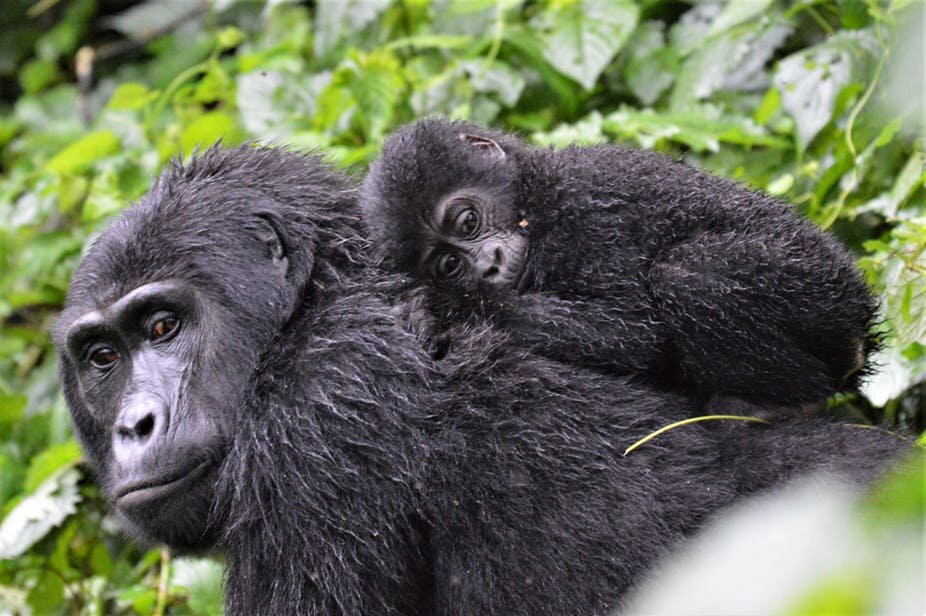
Mountain gorilla baby boom has been recorded in Uganda despite covid-19 crisis. Joy was filled allover the faces of the conservationists and the tourism fraternity with new gorilla birth in Bwindi Impenetrable National Park, the premier mountain gorilla trekking safari park in Uganda.
According to the statement released by Uganda Wildlife Authority, the amazing gorilla baby boom news account for 5 baby mountain gorillas Uganda has recorded in a period of only 6 weeks and 7 babies in 2020 alone unlike 2019 when the park registered only 3 gorilla births.
All the five babies are from Bwindi Impenetrable National Park, one of the UNESCO World Heritage Sites and East Africa’s iconic gorilla trekking safari destination.
Towards the end of August, 2020, Bwindi Impenetrable National Park recorded a new birth of baby gorilla in Rushegura gorilla family, Buhoma region in the Northern side of the park. This was from Kibande adult female gorilla and it marked the 2nd birth within Rushegura family alone within a period of less than 2 months.
 Still within Rushegura group, Bwindi Impenetrable National Park, Uganda’s leading gorilla safari park had earlier recorded new baby gorilla arrival from adult female gorilla Ruterana and today, the group is composed of 18 members.
This was Ruterana’s third birth as she also turns 18 years. Double baby gorilla births were also recorded in Bwindi’s Oruzongo and Mubare family in July 25th 2020 from Katoto mother gorilla and on 22nd July 2020 from Nyampazi adult female gorilla respectively.
Mountain gorilla conservation and protection still remains a major challenge and when new births are recorded, it brings a smile not only to conservationists but to entire tourism fraternity.
These apes share about 95 percent of DNA with humans and they are highly threatened due to poaching, spread of human infectious diseases and many more. They are listed among the most endangered species and considering their status, there is need for a collective effort to ensure they thrive for today and the future generations.
 Gorilla trekking is one of the reasons most tourists come to explore Uganda and Bwindi Impenetrable National Park attracts majority of them then others visit Mgahinga Gorilla National Park.
Why This Baby Boom Matters for Mountain Gorilla Conservation
Mountain gorillas remain Critically Endangered on the IUCN Red List. With only two populations left on Earth – the Virunga Massif (shared by Uganda, Rwanda, DRC) and the Bwindi-Sarambwe ecosystem – every single birth is cause for global celebration.
Key threats still include:
- Poaching and snare injuries
- Human-wildlife conflict
- Climate change affecting bamboo zones
- Risk of disease transmission from humans (hence strict mask and 7-metre distance rules)
Yet the population has grown from just 620 in 1989 to over 1,063 today – proof that community-led conservation works.
Bwindi Impenetrable National Park: The Heart of Gorilla Trekking in Uganda
Designated a UNESCO World Heritage Site in 1994, Bwindi is home to roughly half of the world’s mountain gorillas and boasts
Bwindi Impenetrable National Park protects 20 habituated gorilla families and this is the highest number recorded compared to the rest of other gorilla safari parks.
The park shelters 459 mountain gorillas of total population of about 1063 that still thrives on earth and only found in Uganda, Rwanda and the Democratic Republic of the Congo (DRC):
- 25 fully habituated gorilla families open for trekking (2025)
- 4 trekking sectors: Buhoma (north), Ruhija (east), Rushaga & Nkuringo (south)
- Over 160 gorilla permits issued daily at peak season
Popular easy-trek families for 2025 include:
- Rushegura (Buhoma) – often 30–90 minutes, relatively flat terrain
- Mubare (Buhoma) – the oldest habituated group, frequently close to park HQ
- Bitukura (Ruhija) – very relaxed and photogenic
- Bweza & Bikingi (Rushaga) – new groups with shorter average trekking times
Gorilla Trekking Permits & Prices 2025–2026 (Updated)
- Foreign Non-Residents: US$800 per person
- Foreign Residents (with work permit): US$700
- East African Citizens: UGX 300,000 (~US$80)
Permits can be booked directly via the Uganda Wildlife Authority reservation system or through trusted local tour operators.
How the Baby Boom Benefits Local Communities
30% of every gorilla permit fee goes directly to surrounding communities through revenue-sharing programs. This has funded:
- Schools and health centres
- Road improvements
- Micro-finance projects
- Alternative livelihood programs (beekeeping, basket weaving)
As one Batwa elder said, “When the gorillas are safe and having babies, our children also eat and go to school.”

Planning Your Gorilla Trekking Safari in Uganda 2025/2026
Best time to visit for gorilla trekking and spotting infants:
- Dry seasons: June–September & December–February (easier trails, babies more visible)
Combine your gorilla trek with:
- Gorilla habituation experience (4 hours with researchers – highly recommended for photographers)
- Golden monkey tracking in Mgahinga Gorilla National Park
- Chimpanzee tracking in Kibale Forest
- Cultural encounters with the Batwa pygmies
Final Thoughts: A Reason to Celebrate and Protect
The ongoing mountain gorilla baby boom in Bwindi is more than just cute photos – it’s hard evidence that dedicated conservation, responsible tourism, and community involvement can bring endangered species back from the brink.
Every gorilla trekking permit you purchase directly protects these gentle giants and supports the next generation of infants. As the infants of 2020 are now playful 5-year-olds swinging through the canopy, a new wave of babies is already arriving.
Book your Uganda gorilla safari today and witness one of nature’s greatest conservation success stories – while helping write its next chapter.
Ready to meet the newest members of Bwindi’s gorilla families? Contact us at All Uganda Safaris to secure your 2026 gorilla permit before they sell out.
Read more about this amazing news of Mountain gorilla baby boom on BBC here.
You may also like: Gorilla trekking for the elderly people guide.