Are mountain gorillas only in Africa: A Fascinating Insight
Are mountain gorillas only in Africa: Mountain gorillas, one of the most iconic and endangered primates, are indeed found exclusively in Africa.
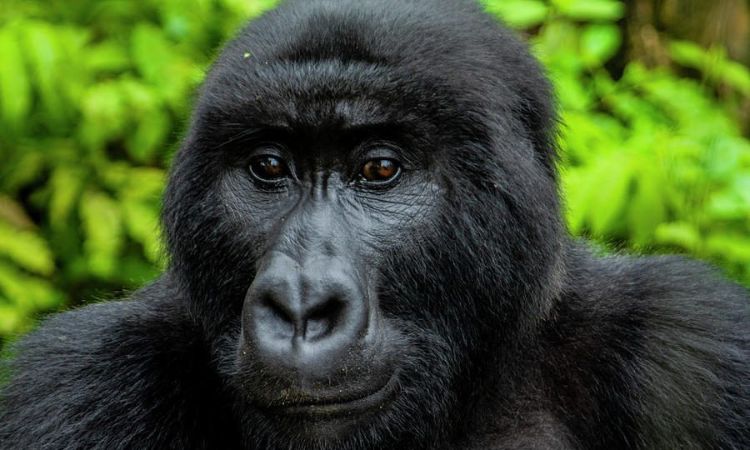
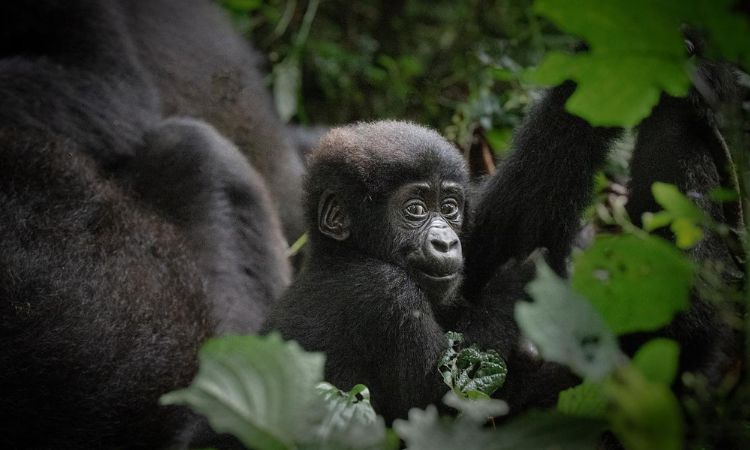
These majestic creatures, known for their robust build, dark fur, and complex social structures, inhabit specific regions within the continent, making them a unique part of Africa’s biodiversity.
This quick guide delves into the geographic distribution, biology, behavior, conservation challenges, and cultural significance of mountain gorillas, providing a comprehensive understanding of why they are confined to Africa and what makes them so special.
Geographic Distribution: Africa’s Exclusive Residents
Yes, mountain gorillas also scientifically known as Gorilla beringei beringei, are found only in Africa, specifically in two isolated populations within the continent’s central and eastern regions. They inhabit high-altitude forests at elevations between 8,000 and 13,000 feet (2,400–4,000 meters).
Their range is limited to the Virunga Massif, a chain of volcanic mountains spanning Rwanda, Uganda, and the Democratic Republic of Congo (DRC), and the Bwindi Impenetrable National Park in Uganda.
These two regions, separated by about 25 miles, are the only places on Earth where mountain gorillas live in the wild.
The Virunga Massif includes three national parks: Volcanoes National Park in Rwanda, Mgahinga Gorilla National Park in Uganda, and Virunga National Park in the DRC.
Bwindi, often called the “Impenetrable Forest” due to its dense vegetation, is home to roughly half of the world’s mountain gorilla population.
The specific habitat requirements of mountain gorillas—cool, misty forests with abundant vegetation—tie them to these highland areas, which are unique to this part of Africa.
Unlike their close relatives, the lowland gorillas, mountain gorillas cannot survive in captivity due to their specialized needs, further anchoring them to their African habitats.
Why Only Africa?
Mountain gorillas are endemic to Africa because their evolutionary history and ecological adaptations are tied to the continent’s unique environmental conditions.
Gorillas, part of the Hominidae family, evolved in Africa millions of years ago. Fossil evidence suggests their ancestors roamed African forests as early as 7–9 million years ago, adapting to the continent’s diverse ecosystems.
Mountain gorillas, a subspecies of the eastern gorilla, developed traits suited to high-altitude, forested environments, such as thicker fur to withstand colder temperatures compared to lowland gorillas.
Their confinement to Africa is also a matter of geography and ecology. Gorillas have never naturally dispersed beyond Africa due to barriers like oceans and unsuitable habitats elsewhere.
The specific montane forests they rely on for food, shelter, and social living are found only in the Virunga and Bwindi regions.
These areas provide the bamboo, wild celery, nettles, and other plants that make up their herbivorous diet. Attempts to keep mountain gorillas in zoos have failed, as they struggle to adapt to artificial environments, reinforcing their dependence on Africa’s unique ecosystems.
Biology and Physical Characteristics
Mountain gorillas are the largest primates, with adult males, known as silverbacks, weighing up to 430 pounds (195 kg) and standing up to 5.6 feet (1.7 meters) tall when upright.
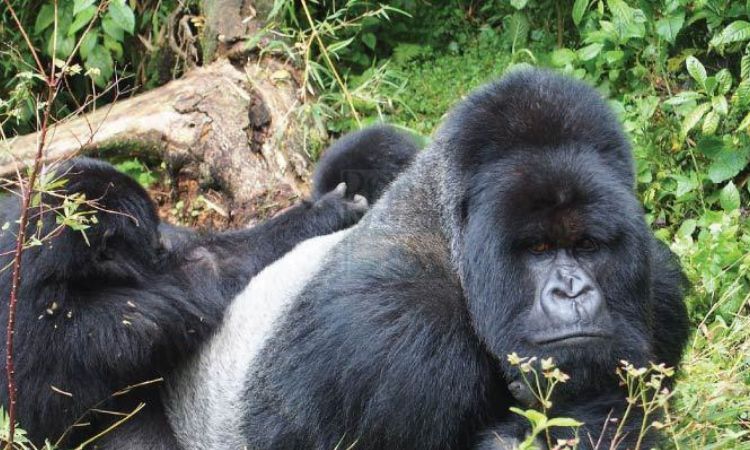
Female gorillas are smaller, averaging about half the weight of males. Their dark, thick fur distinguishes them from lowland gorillas, providing insulation in the cool, misty mountains. Silverbacks develop a distinctive silver patch on their backs upon reaching maturity, signaling their role as group leaders.
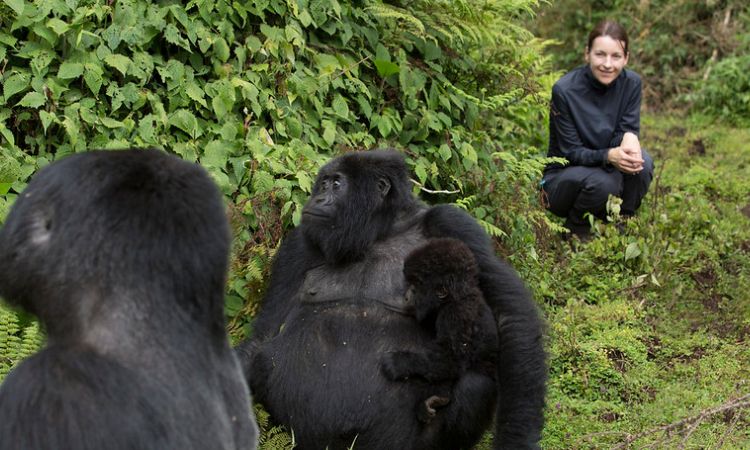
These primates are highly social, living in cohesive groups of 5–30 individuals led by a dominant silverback. Their robust build and powerful jaws are adapted for chewing tough, fibrous plants.
Mountain gorillas have a slower reproductive rate, with females giving birth every 4–6 years after a gestation period of about 8.5 months, which contributes to their vulnerability as a species.
Social Structure and Behavior of Mountain Gorillas
Mountain gorillas exhibit complex social behaviors that are fascinating to researchers and conservationists. Groups, or troops, are led by a silverback who makes decisions, protects the group, and mediates conflicts.
Younger males, called blackbacks, may challenge the silverback gorillas for dominance, though such conflicts are rare and often resolved through displays of strength rather than violence.
Communication is key to their social structure. Mountain gorillas use vocalizations like grunts, roars, and hoots, as well as physical gestures like chest-beating, to convey emotions, establish dominance, or signal danger.
They are generally peaceful, spending their days foraging, resting, and grooming, which strengthens social bonds. Their intelligence is evident in their ability to use tools, solve simple problems, and exhibit emotions like grief or playfulness.
Conservation Status and Challenges
Mountain gorillas are critically endangered, though their population has shown signs of recovery due to intensive conservation efforts.
As of recent estimates, approximately 1,063 mountain gorillas remain in the wild, a significant increase from the 1980s when their numbers dipped to around 240.
This recovery is a testament to collaborative efforts by governments, NGOs, and local communities, but challenges persist.
Habitat Loss: Deforestation for agriculture, logging, and human settlement threatens their forest habitats. The Virunga region, in particular, is surrounded by dense human populations, increasing pressure on land.
Poaching and Illegal Trade: While poaching for gorilla meat is less common than for other species, infants have historically been targeted for the illegal pet trade. Anti-poaching patrols have reduced this threat, but it remains a concern.
Conflict and Political Instability: The DRC’s Virunga National Park is located in a region plagued by armed conflict, endangering both gorillas and rangers. Over 200 rangers have been killed protecting the park in recent decades.
Disease: Proximity to humans increases the risk of disease transmission, as mountain gorillas are susceptible to human pathogens like respiratory infections. Strict guidelines for gorilla tourism, such as maintaining distance and wearing masks, aim to mitigate this risk.
Conservation programs, such as those led by the Dian Fossey Gorilla Fund and the International Gorilla Conservation Programme (IGCP), have been instrumental in protecting mountain gorillas.
Ecotourism, when managed responsibly, provides funding for conservation and incentivizes local communities to protect gorilla habitats.
Revenue from gorilla trekking permits—costing up to $800 in Rwanda—directly supports park management and community development.
Cultural and Economic Significance
Mountain gorillas hold immense cultural and economic value in their native regions. For local communities, they are a source of pride and a symbol of natural heritage.
In Rwanda, the annual Kwita Izina gorilla naming ceremony celebrates conservation successes and engages communities in protecting their wildlife.
Economically, gorilla tourism is a major revenue source. In Rwanda and Uganda, gorilla trekking generates millions of dollars annually, supporting jobs and infrastructure development.
Globally, mountain gorillas are a symbol of conservation success. The work of primatologist Dian Fossey, who studied and protected them until her death in 1985, brought international attention to their plight. Her legacy, through books and films like Gorillas in the Mist, continues to inspire conservation efforts.
Why You Should Care
Mountain gorillas are more than just Africa’s treasure; they are a global heritage. Their survival reflects the health of their ecosystems, which provide water, regulate climate, and support countless other species.
Protecting them requires addressing broader issues like poverty, climate change, and political stability, making their conservation a shared human responsibility.
For those inspired to learn more or contribute, visiting Rwanda or Uganda for gorilla trekking offers a life-changing experience while supporting conservation.
Alternatively, supporting organizations like the Dian Fossey Gorilla Fund or WWF can make a difference. Every effort counts in ensuring these gentle giants continue to thrive in their African mountain homes.