
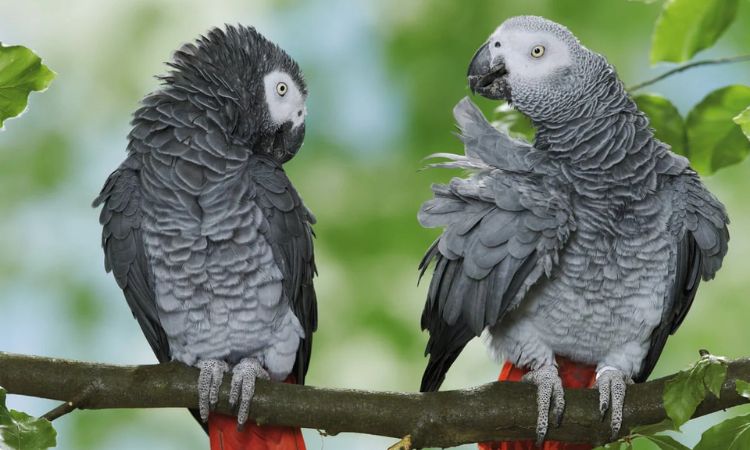
Uganda Bird Checklist 2026 – Complete Guide to Birds in Uganda
Uganda Bird Checklist 2026: Explore the complete Uganda Bird Checklist 2026 with over 1,000 species, top birding hotspots, rare birds to see, seasonal guides, and expert bird watching tips.
Uganda, often called the “Pearl of Africa,” is a birdwatcher’s paradise, boasting an incredible diversity of avian life that draws enthusiasts from around the globe.
With over 1,088 confirmed bird species—representing nearly half of Africa’s total and about 10% of the world’s birds—Uganda offers unparalleled opportunities for bird sightings.
This richness stems from its varied ecosystems, including dense rainforests, expansive savannas, wetlands, and montane habitats. Whether you’re a seasoned birder tracking rare endemics or a safari planner incorporating wildlife viewing, this Uganda bird checklist 2026 serves as your ultimate resource.
In this complete guide to birds in Uganda, we’ll cover everything from organized checklists by category to the best birding spots, seasonal tips, and practical advice to enhance your experience. Dive in to discover why Uganda’s bird list 2025/6 is essential for any nature lover planning a trip.
How to Use This Bird Checklist
Navigating the Uganda bird checklist doesn’t have to be overwhelming. This guide is structured for ease, allowing you to quickly reference species based on your location or interests.
We’ve organized the birds by habitat and group, such as waterfowl for wetlands or raptors for open skies, making it simple for birdwatchers to cross-reference during safaris.
Each entry includes the common name, scientific name, primary habitat, and key locations where you’re most likely to spot them.
We’ve also added IUCN conservation status where relevant (e.g., Vulnerable or Endangered) and rarity tags like “endemic” or “rare” to highlight must-sees. For Uganda bird sightings, use this as a printable or digital companion alongside apps like eBird.
Whether you’re focusing on forest dwellers or migratory visitors, this Uganda bird list 2025/6 prioritizes user-friendliness to maximize your bird watching in Uganda.
Complete Uganda Bird Checklist 2026 (By Category)
At the heart of this guide is the comprehensive Uganda bird species list, broken into categories for better organization. Uganda’s avian diversity spans from colorful kingfishers to majestic eagles, with many species unique to the region.
Below, we’ve expanded on key examples, drawing from reliable sources like eBird and BirdLife International, to provide a robust checklist. Remember, this is not exhaustive—Uganda has over 1,000 birds—but it focuses on highlights for 2025/6 sightings.

Waterfowl & Wetland Birds
Uganda’s lakes, rivers, and swamps teem with aquatic species, making wetlands prime for bird watching. These birds thrive in marshy areas and are often seen during boat safaris.
- African Jacana (Actophilornis africanus): Habitat: Wetlands and shallow lakes. Where to see: Mabamba Swamp or Lake Victoria shores. Common but fascinating with its long toes for “walking” on lily pads.
- Shoebill Stork (Balaeniceps rex): Habitat: Papyrus swamps. Where to see: Mabamba Bay or Murchison Falls National Park. Rare and prehistoric-looking; IUCN Vulnerable.
- Learn more about the Shoebill Stork
- Great White Pelican (Pelecanus onocrotalus): Habitat: Large lakes and rivers. Where to see: Kazinga Channel in Queen Elizabeth National Park. Often in flocks, gliding gracefully.
- Malachite Kingfisher (Corythornis cristatus): Habitat: Rivers and wetlands. Where to see: Lake Mburo National Park. Vibrant blue and orange; a jewel of Uganda’s waterways.
- Grey Crowned Crane (Balearica regulorum): Habitat: Grasslands near water. Where to see: Ishasha sector of Queen Elizabeth NP. Uganda’s national bird; IUCN Endangered. Learn more about the Grey Crowned Crane
- Yellow-billed Duck (Anas undulata): Habitat: Freshwater lakes. Where to see: Lutembe Bay. Common resident, often in pairs.
- African Openbill (Anastomus lamelligerus): Habitat: Marshes. Where to see: Mabira Forest edges. Known for its unique bill adapted for snails.
- Saddle-billed Stork (Ephippiorhynchus senegalensis): Habitat: Rivers. Where to see: Murchison Falls. Striking black-and-white with red bill; rare sightings.
This category alone accounts for dozens of Uganda bird sightings, especially during wet seasons when water levels rise.
Forest & Woodland Birds
Uganda’s ancient forests, like Bwindi and Kibale, harbor secretive species adapted to dense canopies. These are best spotted on guided walks.
- African Grey Parrot (Psittacus erithacus): Habitat: Tropical rainforests. Where to see: Kibale National Park. Intelligent and vocal; IUCN Endangered due to trade.
- Great Blue Turaco (Corythaeola cristata): Habitat: Forest canopies. Where to see: Semuliki National Park. Stunning turquoise plumage; a symbol of Uganda’s forests.
- Black-and-white Casqued Hornbill (Bycanistes subcylindricus): Habitat: Woodlands. Where to see: Mabira Forest. Large with distinctive casque; often heard before seen.
- African Green Broadbill (Pseudocalyptomena graueri): Habitat: Montane forests. Where to see: Bwindi Impenetrable Forest. Rare Albertine Rift endemic; IUCN Vulnerable.
- Rwenzori Turaco (Gallirex johnstoni): Habitat: Highland forests. Where to see: Rwenzori Mountains. Vibrant colors; another Albertine Rift specialty.
- Narina Trogon (Apaloderma narina): Habitat: Dense woodlands. Where to see: Budongo Forest. Shy with iridescent green back.
- White-throated Bee-eater (Merops albicollis): Habitat: Forest edges. Where to see: Queen Elizabeth NP. Migratory; colorful and acrobatic.
- Chocolate-backed Kingfisher (Halcyon badia): Habitat: Rainforests. Where to see: Kibale. Elusive with rich brown hues.
Forest birds make up a significant portion of the Uganda bird list 2025/6, offering thrilling chases through lush trails.

Raptors & Birds of Prey
Uganda’s open skies and savannas are ideal for spotting these majestic hunters, often seen soaring or perching on acacias.
- African Fish Eagle (Haliaeetus vocifer): Habitat: Lakes and rivers. Where to see: Lake Victoria or Kazinga Channel. Iconic call; Uganda’s most famous raptor.
- Bateleur (Terathopius ecaudatus): Habitat: Savannas. Where to see: Murchison Falls National Park. Acrobatic flier; IUCN Near Threatened.
- Hooded Vulture (Necrosyrtes monachus): Habitat: Open woodlands. Where to see: Queen Elizabeth NP. Scavenger; critically endangered in some regions.
- Martial Eagle (Polemaetus bellicosus): Habitat: Grasslands. Where to see: Kidepo Valley National Park. Powerful predator; IUCN Endangered.
- Long-crested Eagle (Lophaetus occipitalis): Habitat: Wooded savannas. Where to see: Lake Mburo. Distinctive crest; common roadside sight.
- Tawny Eagle (Aquila rapax): Habitat: Open plains. Where to see: Ishasha Plains. Opportunistic hunter.
- Secretarybird (Sagittarius serpentarius): Habitat: Grasslands. Where to see: Murchison Falls. Unique ground-stalker; IUCN Vulnerable.
- Peregrine Falcon (Falco peregrinus): Habitat: Cliffs and open areas. Where to see: Rwenzori foothills. Fastest bird; migratory.
Raptors add drama to any safari, embodying the wild spirit of birds in Uganda.
Passerines (Songbirds)
These small, melodic birds dominate Uganda’s understory and grasslands, providing endless variety.
- Emerald Starling (Lamprotornis iris): Habitat: Woodlands. Where to see: Semuliki. Iridescent green; flock-forming.
- Abyssinian Ground Thrush (Geokichla piaggiae): Habitat: Montane forests. Where to see: Bwindi. Shy ground-dweller; melodic song.
- Yellow-rumped Tinkerbird (Pogoniulus bilineatus): Habitat: Forests. Where to see: Kibale. Tiny with distinctive call.
- Red-chested Sunbird (Cinnyris erythrocercus): Habitat: Gardens and edges. Where to see: Entebbe Botanical Gardens. Vibrant male plumage.
- African Paradise Flycatcher (Terpsiphone viridis): Habitat: Woodlands. Where to see: Mabira. Long-tailed beauty.
- Grey-backed Camaroptera (Camaroptera brevicaudata): Habitat: Thickets. Where to see: Lake Mburo. Common but cryptic.
- Papyrus Gonolek (Laniarius mufumbiri): Habitat: Wetlands. Where to see: Mabamba. Rare papyrus specialist.
- Black-headed Gonolek (Laniarius erythrogaster): Habitat: Bushlands. Where to see: Queen Elizabeth.
Passerines are the backbone of daily Uganda bird sightings, with their songs filling the air.
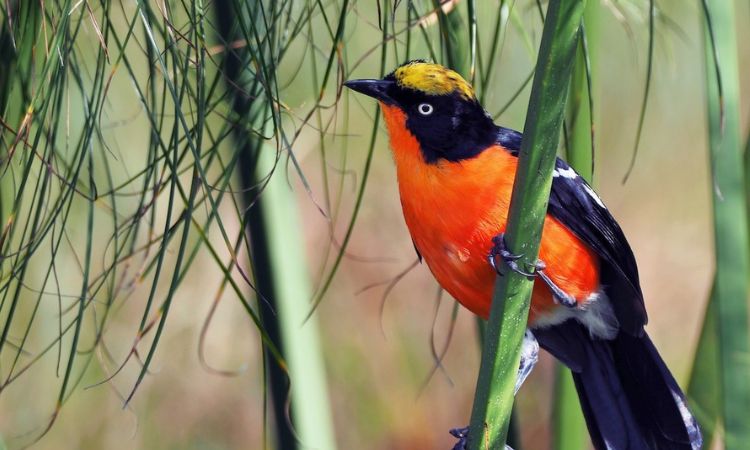
Endemic & Special Species
Uganda shines with unique birds, including its sole true endemic and Albertine Rift specialties.
- Fox’s Weaver (Ploceus spekeoides): Habitat: Grasslands. Where to see: Northern Uganda plains. Uganda’s only true endemic; rare and localized.
- Carruthers’s Cisticola (Cisticola carruthersi): Habitat: Wetlands. Where to see: Lake Bunyonyi area. Near-endemic; IUCN Least Concern.
- Grauer’s Swamp Warbler (Bradypterus graueri): Habitat: Montane swamps. Where to see: Mubwindi Swamp in Bwindi. Endangered Albertine Rift endemic.
- Shelley’s Crimsonwing (Cryptospiza shelleyi): Habitat: Bamboo zones. Where to see: Mgahinga Gorilla National Park. Rare and cryptic.
- Nahan’s Francolin (Ptilopachus nahani): Habitat: Lowland forests. Where to see: Mabira. Vulnerable and elusive.
- Chapin’s Flycatcher (Fraseria lendu): Habitat: Highlands. Where to see: Rwenzori. Albertine Rift special.
- Golden-winged Sunbird (Drepanorhynchus reichenowi): Habitat: Montane. Where to see: Bwindi. Stunning colors.
- Dwarf Honeyguide (Indicator pumilio): Habitat: Forests. Where to see: Kibale. Tiny and rare.
These endemics underscore Uganda’s biodiversity hotspot status.
Best Birding Spots in Uganda
Linking the checklist to locations enhances your planning. Here are top sites:
- Mabamba Swamp: Shoebill hotspot; boat trips reveal wetland birds.
- Queen Elizabeth National Park: Over 600 species; Kazinga Channel for pelicans and eagles.
- Bwindi Impenetrable Forest: Albertine Rift endemics; gorilla treks double as birding.
- Lake Mburo National Park: Savanna birds like kingfishers; night drives for owls.
- Kibale Forest National Park: Forest specialists; chimp tracking bonus.
- Murchison Falls National Park: Riverine raptors and storks.
- Semuliki National Park: Congo Basin extensions; unique lowland birds.
- Mgahinga Gorilla National Park: Highland endemics.
- Kidepo Valley National Park: Northern rarities like ostriches.
- Entebbe Botanical Gardens: Easy urban birding for beginners.
Each spot offers distinct experiences, from misty forests to sun-drenched plains.
Best Times for Birding in Uganda
Timing is key for optimal sightings. Uganda’s equatorial climate features two dry seasons (December-February and June-September) ideal for accessible trails and concentrated birds at waterholes.
These periods align with Uganda birding seasons, offering clear skies and fewer insects. Wet seasons (March-May and October-November) bring lush landscapes and Palearctic migrants like European bee-eaters, boosting diversity—perfect for rare birds in Uganda.
Migration peaks in November-April for northern visitors. For best bird watching in Uganda, aim for dry months, but wet seasons reward with breeding displays.
Rare & Endemic Birds to Watch in 2025/6
In 2025/6, focus on must-sees like the Shoebill (Vulnerable), African Green Broadbill (Vulnerable), and Fox’s Weaver (Near Threatened). Albertine Rift endemics, such as Rwenzori Turaco and Grauer’s Swamp Warbler (Endangered), face habitat threats per IUCN.
Conservation efforts in parks protect these, making ethical birding crucial. Recent sightings, like rediscovered weavers, highlight Uganda’s dynamic avifauna.
Birding Tours & Checklist Tools
-
Guided Birding Tours:
Guided birding tours in Uganda are led by experienced local ornithologists who help visitors spot rare and endemic species such as the Shoebill and Albertine Rift endemics. These tours cover top birding destinations like Mabamba Swamp, Bwindi Impenetrable Forest, Queen Elizabeth National Park, and Lake Mburo. Guided tours increase sighting success and provide valuable bird identification knowledge. -
Birding Checklist Tools:
Birders can use digital tools such as eBird and Merlin Bird ID to record sightings, identify birds, and track personal checklists. Printed or downloadable Uganda bird checklists are also useful for field reference, especially in remote areas with limited internet access.
Birding Tips for Uganda
Maximize success with these Uganda birding tips: Pack quality binoculars (8×42 recommended) and a field guide like “Birds of East Africa.”
Hire local guides for insider knowledge—they know calls and hides. Opt for bird-friendly lodges near hotspots. Start early mornings when activity peaks; wear neutral colors to blend in.
Respect wildlife—keep distance and avoid playback overuse. For bird watching in Uganda tips, stay hydrated and use insect repellent in forests.

FAQs about Birding in Uganda
How many bird species are in Uganda? Over 1,088 confirmed, with more possible discoveries.
Where is the best place to see the shoebill in Uganda? Mabamba Swamp offers the highest success rate via canoe.
What birds are endemic to Uganda? Fox’s Weaver is the sole true endemic; 23 Albertine Rift species are near-endemics.
Do I need a guide for birding in Uganda? Highly recommended for safety, access, and spotting elusive species.
In conclusion, Uganda bird checklist 2026 reveals a world of feathered wonders waiting to be explored. From the prehistoric Shoebill to vibrant turacos, every sighting creates lasting memories.
If you’re ready to immerse in this avian haven, book with us at All Uganda Safaris—we specialize in tailored birding itineraries, expert guides, and sustainable experiences.
Join fellow enthusiasts on a journey that not only checks off your list but ignites a passion for conservation. Visit Uganda now; your next great sighting awaits!