

Visit Buganda Kingdom: History, Culture & Top 5 Attractions
Buganda Kingdom stands as one of Africa’s most vibrant and enduring monarchies, offering visitors a deep dive into Uganda’s rich heritage. Located in central Uganda, this kingdom blends ancient traditions with modern influences, making it a must-visit for anyone interested in African history and culture.
Whether you’re a tourist planning a Buganda Kingdom tour or a student researching Buganda Kingdom history, this guide covers everything from royal traditions to top attractions.
Introduction to Buganda Kingdom
Nestled in the heart of central Uganda, Buganda Kingdom is one of the oldest and largest kingdoms in Africa. It spans regions around Lake Victoria, with Kampala, Uganda’s capital, serving as its cultural and administrative hub. The kingdom’s influence dates back centuries, shaping much of Uganda’s political and social landscape.
The Kabaka, or king, remains a central figure in Buganda society, symbolizing unity and cultural pride. Visiting Buganda Kingdom allows you to experience a living monarchy where traditions thrive alongside contemporary life. This blend makes it an ideal destination for cultural tourism in Uganda, attracting history buffs, adventurers, and families alike.
History of Buganda Kingdom
History of Buganda Kingdom and Its Origin
The history and origin of Buganda Kingdom trace back to the late 14th century, with oral traditions crediting Kabaka Kintu as the founder. Kintu, a legendary figure often described as arriving from the northeast (possibly linked to Bunyoro or Ssese Islands), unified disparate clans by defeating local rulers like Bemba Musota. He established the first centralized governance, intermarrying with indigenous groups to form the Baganda ethnic identity.
By the 17th and 18th centuries, under kings like Kateregga and Mawanda, Buganda expanded aggressively, annexing territories and dominating Lake Victoria trade with war canoes. In the 19th century, it became a major power, contacting Arab traders and European explorers, introducing Islam and Christianity.
The 1900 Uganda Agreement made it a British protectorate with autonomy. Post-1962 independence, it faced abolition in 1967 but was restored in 1993. Buganda’s resilience has made it a cornerstone of Uganda’s identity, contributing significantly to modern governance and culture.

The Kabaka of Buganda
At the core of Buganda Kingdom lies the Kabaka, a revered leader embodying the people’s spirit. The Kabaka’s role extends beyond governance; he is a custodian of traditions, mediator in disputes, and symbol of cultural continuity.
The current Kabaka, His Majesty Ronald Muwenda Mutebi II, ascended the throne in 1993, restoring the monarchy after decades of turmoil.
Coronation traditions are elaborate, involving rituals that affirm the Kabaka’s divine connection to ancestors. These ceremonies, held at sacred sites, draw crowds and highlight Buganda’s deep-rooted customs. Respect for the Kabaka is paramount in Baganda society, influencing daily interactions and festivals.
Exploring the Kabaka’s influence adds depth to your Buganda Kingdom experience, showcasing how one figure unites millions in pride and heritage.
Major Cultural Sites to Visit in Buganda Kingdom
For tourists, the cultural sites in Buganda Kingdom offer immersive experiences. These landmarks provide glimpses into royal life, history, and spirituality, making them essential stops on any Buganda Kingdom tour.
Kasubi Tombs (UNESCO World Heritage Site)
The Kasubi Tombs, a UNESCO World Heritage Site, serve as the burial ground for Buganda kings. Located on Kasubi Hill in Kampala, this site features massive thatched-roof structures housing the remains of four Kabakas. Its cultural significance lies in representing Buganda’s spiritual beliefs and architectural ingenuity.
Visitors can explore the tombs with guided tours, learning about rituals and the site’s reconstruction after a 2010 fire. The experience is both educational and reverent, offering photo opportunities amid lush gardens. Don’t miss this for an authentic taste of Buganda culture.
Lubiri Palace (Mengo Palace)
The Lubiri Palace, also known as Mengo Palace, is the official residence of the Kabaka. Built in the late 19th century, it stands as a symbol of royal authority in Buganda Kingdom. Historically, it endured attacks during colonial times and the Idi Amin era, when underground tunnels were added for escape.
Today, tours reveal opulent halls and artifacts, providing insights into royal life. The palace grounds are perfect for strolls, blending history with serene beauty.
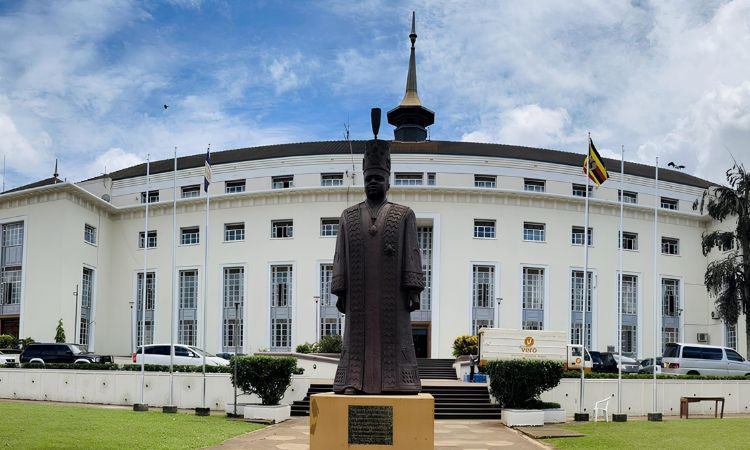
Bulange Parliament (Lukiiko)
The Bulange Parliament, or Lukiiko, is Buganda’s traditional legislative body. Situated near Mengo Palace, it hosts sessions on kingdom affairs, reflecting a sophisticated governance structure predating colonialism.
Visitors can observe the architecture and learn about clan-based decision-making. It’s a key site for understanding Buganda’s political traditions.
Namugongo Martyrs Shrine (within Buganda region)
The Namugongo Martyrs Shrine commemorates Christian martyrs executed in 1886 under Kabaka Mwanga II. This site holds immense religious and cultural importance, drawing pilgrims annually on June 3rd.
Tours include museums detailing the events, making it a poignant stop for those exploring Buganda Kingdom history.
Buganda Culture and Traditions: Social Organisation
Buganda’s social organisation revolves around its clan system, with over 52 recognized clans (some sources cite 56), forming the foundation of society. Each clan has a totem (muziro) and secondary symbol, prohibiting intra-clan marriage to strengthen alliances. Clans trace ancestry patrilineally, except the royal clan.
The kingdom was historically organized hierarchically: the Kabaka at the top, assisted by the Katikkiro (Prime Minister), other ministers, and key figures like the Gabunga – the admiral of the royal navy and head of the Mmamba (Lungfish) clan, responsible for commanding the fleet on Lake Victoria and playing a vital role in defense and ceremonies.
Counties (ssaza) were governed by appointed chiefs, sub-counties (gombolola), and villages, ensuring efficient administration and tribute collection.
Traditional dress like the Gomesi for women and Kanzu for men is worn during ceremonies, symbolizing elegance and respect. Music, dance, and drums play central roles in celebrations, with rhythms echoing ancestral stories.
Marriage ceremonies, known as Kwanjula, involve elaborate introductions and gifts, highlighting family values. Experiencing these Baganda customs firsthand during a visit to Buganda Kingdom is unforgettable.
Language and People of Buganda
The Luganda language is the heartbeat of Buganda Kingdom, spoken by the Baganda people with melodic tones and proverbs. Learning basic phrases like “Oli otya?” (How are you?) enhances interactions and shows respect.
The Baganda are renowned for their hospitality, welcoming visitors with warmth and generosity. Etiquette emphasizes politeness, such as greeting elders first and avoiding direct eye contact in certain contexts. This cultural nuance makes engaging with locals a rewarding part of any Buganda Kingdom tour.

Traditional Food in Buganda Kingdom
No visit to Buganda Kingdom is complete without savoring traditional food. Matooke, steamed plantains mashed into a staple, pairs perfectly with Luwombo – meat or vegetables wrapped in banana leaves and slow-cooked.
Groundnut sauce adds nutty flavor to meals, often enjoyed communally. Local dining experiences in Kampala markets or village eateries offer authentic tastes, blending flavors with storytelling. For foodies, this aspect elevates cultural tourism in Uganda.
Best Time to Visit Buganda Kingdom
The best time to visit Buganda Kingdom aligns with dry seasons: December to February and June to August. These periods offer pleasant weather for exploring sites without rain interruptions.
Cultural festivals, like the Kabaka’s birthday celebrations or clan gatherings, provide immersive experiences. Coronation anniversaries and public events in Kampala add vibrancy. Planning around these ensures a richer encounter with Buganda culture.
Buganda Kingdom for Tourists
Buganda Kingdom caters to tourists with guided cultural tours that weave through historical sites and villages. Museums like the Uganda Museum in Kampala showcase artifacts from Buganda Kingdom history.
Heritage centers offer workshops on traditional crafts, while educational visits suit students and researchers. Photography opportunities abound, from palace exteriors to vibrant markets, making it ideal for cultural tourism in Uganda.
Travel Tips for Visiting Buganda Kingdom
When planning a visit to Buganda Kingdom, respect is key. Follow dress codes at cultural sites – modest clothing covering shoulders and knees. Photography rules vary; always ask permission, especially near royal areas.
Hiring local guides ensures insightful narratives and supports the community. Stay aware of traditions, like removing shoes in sacred spaces. These tips enhance safety and enjoyment during your Buganda Kingdom tour.
Why Visit Buganda Kingdom?
Buganda Kingdom offers a unique blend of rich history, living culture, and a functioning African monarchy. Easily accessible from Kampala, it provides authentic experiences unlike anywhere else.
From UNESCO sites to warm hospitality, it’s a gateway to understanding Uganda’s soul. Whether for adventure or education, a visit leaves lasting memories.
FAQs About Buganda Kingdom
Where is Buganda Kingdom located?
Buganda Kingdom is in central Uganda, encompassing Kampala and surrounding areas.
Who is the Kabaka of Buganda?
The current Kabaka is His Majesty Ronald Muwenda Mutebi II, a symbol of unity.
Can tourists visit Kasubi Tombs?
Yes, tourists can visit with guided tours, respecting site protocols.
Is Buganda Kingdom still active today?
Absolutely, it remains active in cultural and community affairs.
In conclusion, immersing yourself in Buganda Kingdom’s history, culture, and attractions is an enriching journey that connects you to Africa’s timeless heritage. Don’t miss the chance to explore this gem – book your adventure with us at All Uganda Safaris today and create memories that last a lifetime!