
African Grey Parrot: Intriguing Facts, Price, & Conservation
African Grey Parrot: Discover everything about the African Grey Parrot — its habitat, diet, behavior, intelligence, lifespan, and conservation status.
The African Grey Parrot, scientifically known as Psittacus erithacus, is one of the most captivating bird species native to the rainforests and savannas of Central and West Africa.
Renowned for its exceptional intelligence and remarkable ability to mimic human speech, this parrot has enchanted bird enthusiasts, pet owners, and researchers alike.
Often called the “Einstein of the bird world,” the African Grey Parrot stands out for its problem-solving skills, emotional depth, and social nature.
Whether you’re curious about African Grey Parrot facts, their natural habitat, or how to provide proper care, this comprehensive guide covers it all.
These parrots are not just pets; they are symbols of Africa’s rich biodiversity. However, their popularity in the pet trade has led to significant conservation challenges, making them an endangered species on the IUCN Red List.
In this article, we’ll delve into their physical traits, behavior, diet, breeding habits, and more, while highlighting African Grey Parrot conservation efforts. If you’re a bird lover, understanding these intelligent creatures can inspire you to support their protection in the wild.
Physical Description of an African Grey Parrot
African Grey Parrots are medium-sized birds with a distinctive appearance that makes them easily recognizable. They typically measure between 12 to 14 inches in length, including their tail, making the African Grey Parrot size ideal for both wild habitats and domestic settings.
Their weight ranges from 400 to 650 grams, with a wingspan of about 18 to 20 inches, allowing for agile flight through dense forests.
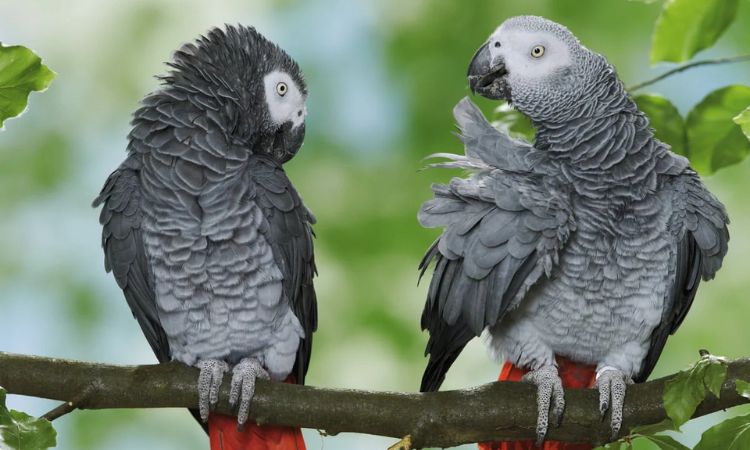
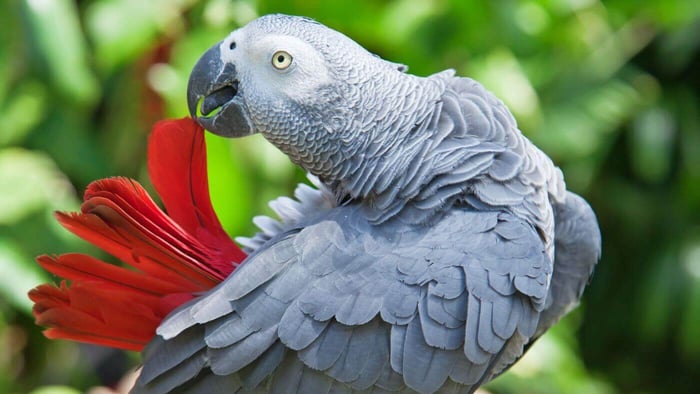
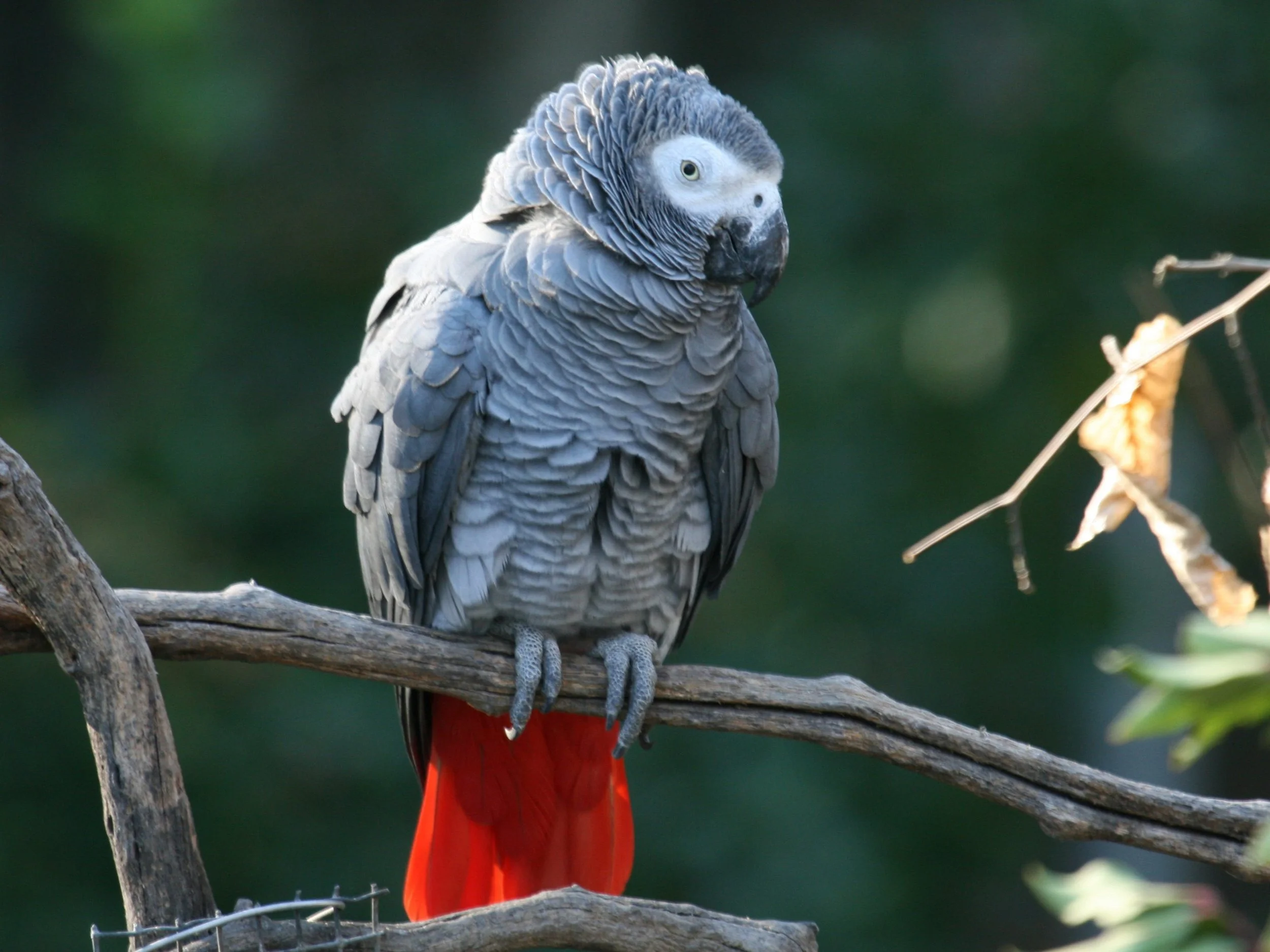
The plumage is predominantly grey, with lighter edges on the feathers giving a scalloped effect. A striking red tail contrasts beautifully with the grey body, and their eyes are pale yellow with a black pupil, evolving from dark grey in juveniles.
There are two main subspecies: the Congo African Grey (Psittacus erithacus erithacus), which is larger with a bright red tail and black beak, and the Timneh African Grey (Psittacus erithacus timneh), slightly smaller with a maroon tail and a horn-colored upper beak.
When it comes to distinguishing males from females, the African Grey Parrot female is similar in appearance to the male, as these birds are monomorphic. Sexual dimorphism is minimal, so DNA testing or surgical sexing is often required for accurate identification.
African Grey Parrot Habitat and Range
African Grey Parrots thrive in a variety of ecosystems across Central and West Africa. Their natural habitat includes dense equatorial rainforests, open savannas, mangroves, and even cultivated areas near human settlements.
These adaptable birds are found in countries like Ghana, Cameroon, the Democratic Republic of Congo, Ivory Coast, Uganda, Kenya, and Tanzania, where they roost in large flocks in tall trees.
They exhibit some local movement patterns, often shifting locations based on food availability rather than true migration. During the dry season, they may venture into more open woodlands, while rainy seasons draw them back to lush forests. Habitat loss due to deforestation has significantly reduced their range, pushing populations into fragmented areas.
Behavior and Intelligence
What is special about African Grey Parrots? Their intelligence sets them apart as one of the smartest bird species, comparable to a young child in cognitive abilities. They excel in mimicry, not just repeating words but understanding context—famous examples include using language to express needs or emotions.
In the wild, African Greys are highly social, forming flocks of up to 100 birds for safety and foraging. They communicate through a repertoire of calls, whistles, and gestures.
As pets, they bond deeply with owners, often displaying affection through preening or vocal interactions. However, they can become stressed if neglected, leading to behaviors like feather plucking.
African Grey Parrot singing is another delightful trait; they mimic songs, alarms, and even household sounds with astonishing accuracy. Real-life examples abound: Alex the African Grey, studied by Dr. Irene Pepperberg, demonstrated the ability to count, identify colors, and reason abstractly, proving their problem-solving prowess.
African Grey Parrot Diet
In the wild, African Grey Parrots have a diverse diet consisting of fruits like figs and oil palm nuts, seeds, berries, and occasional insects.
They forage in treetops, using their strong beaks to crack nuts and extract nutrients. This varied intake ensures they get essential vitamins and minerals.
For pet care, a balanced diet is crucial. Base it on high-quality formulated pellets, supplemented with fresh fruits (apples, bananas), vegetables (carrots, leafy greens), and nuts.
Calcium is vital for bone health, so include sources like cuttlebone or supplements. Avoid toxic foods such as avocado, chocolate, or caffeine, which can be fatal.
Proper nutrition supports their long lifespan and prevents issues like vitamin A deficiency. Always consult a vet for tailored advice on African Grey Parrot care.
Breeding and African Grey Parrot Lifespan
African Grey Parrots breed during the dry season, nesting in tree cavities high above the ground for protection. Females lay 2-5 eggs per clutch, with an incubation period of about 30 days. Both parents share duties, and chicks fledge after 10-12 weeks, remaining dependent for months.
The African Grey Parrot lifespan is impressive: 40-60 years in captivity with proper care, though some live up to 80 years. In the wild, it’s shorter due to predators and habitat threats. Grey parrot lifespan varies by subspecies, but overall, they outlive many pets, requiring long-term commitment.
What is the lifespan of an African Grey Parrot? As noted, it’s typically 40-60 years, making them companions for life.
Conservation Status
The African Grey Parrot is endangered, listed as such on the IUCN Red List due to rapid population decline. Threats include rampant deforestation for agriculture and logging, which destroys nesting sites, and the illegal pet trade, where thousands are captured annually.
CITES Appendix I regulates international trade, banning commercial exports, but poaching persists. African Grey Parrot endangered status highlights the need for action; conservation efforts by organizations like the World Parrot Trust involve captive breeding programs, habitat restoration, and anti-poaching patrols.
Supporting these initiatives is essential to ensure future generations can witness these birds in the wild.
African Grey Parrot as a Pet
Owning an African Grey Parrot can be rewarding but demanding. Pros include their intelligence—they can learn hundreds of words and commands—and their affectionate nature. Cons: they require daily interaction to prevent boredom, are noisy with screams and whistles, and their long lifespan means a lifelong responsibility.
African Grey Parrot care tips: Provide a large cage (at least 36x24x48 inches), enrichment toys for mental stimulation, and socialization to avoid behavioral issues. Regular vet checkups are key.
How much does an African Grey Parrot cost? Prices range from $1,000 to $3,000, depending on age, subspecies, and breeder. African Grey Parrot price factors include hand-rearing and health certifications. For those seeking an African Grey Parrot for sale, reputable breeders or rescues are recommended to avoid supporting illegal trade.
The African Grey Parrot female may be slightly calmer, but personality varies individually.
African Grey Parrot Facts
African Grey Parrot facts are fascinating: They can learn over 1,000 words and understand concepts like “same” and “different.” Recognized as one of the most intelligent non-human animals, they outperform primates in some cognitive tests.
Famous individuals like Alex revolutionized avian research. They also have a strong sense of rhythm, often “dancing” to music, tying into African Grey Parrot singing abilities.
FAQs about the African Grey Parrot
How long does an African Grey Parrot live?
African Grey Parrots typically live 40-60 years in captivity, with some reaching 80 years under optimal care.
What do African Grey Parrots eat in the wild?
In the wild, they consume fruits, nuts, seeds, berries, and occasional insects for a nutrient-rich diet.
How smart is an African Grey Parrot?
They are exceptionally intelligent, capable of mimicry, problem-solving, and understanding human language at a level similar to a toddler.
Can African Grey Parrots talk?
Yes, they are renowned for their talking ability, mimicking speech with context and clarity.
How much does an African Grey Parrot cost?
Prices vary from $1,000 to $3,000, influenced by factors like age and breeding.
What is the lifespan of an African Grey Parrot?
As pets, they live 40-60 years; in the wild, it’s shorter due to environmental risks.
What is special about African Grey Parrots?
Their intelligence, mimicry skills, and emotional bonding make them unique among birds.
Conclusion
The African Grey Parrot embodies the wonders of avian intelligence and the fragility of Africa’s ecosystems. From their striking appearance and clever behaviors to the urgent need for conservation, these birds deserve our admiration and protection.
Whether you’re drawn to African Grey Parrot facts, their care as pets, or their endangered status, learning about them fosters appreciation for wildlife.
If this sparks your interest, why not experience them in their natural habitat? Join our birding safari packages at All Uganda Safaris for an unforgettable adventure. Explore Uganda’s lush forests, spot African Greys in the wild, and contribute to conservation through eco-tourism.
Our expert-guided tours in Kibale Forest or Queen Elizabeth National Park offer prime viewing opportunities, complete with comfortable lodgings and educational insights.
Book now at All Uganda Safaris and turn your fascination into action—protect these incredible birds while creating lifelong memories!