

2025/6 Top Guide to Kyambura Gorge, Valley of Apes Uganda
Kyambura Gorge: Discover Kyambura Gorge in Queen Elizabeth National Park—Uganda’s breathtaking “Valley of Apes.” Learn about chimp trekking, wildlife, permit prices, best time to visit, how to get there, and top accommodations. A complete guide for travelers
Nestled in the heart of Queen Elizabeth National Park in western Uganda, Kyambura Gorge stands as a mesmerizing natural wonder, often dubbed the “Valley of Apes” for its elusive primate inhabitants.
This underground rainforest ecosystem, carved deep into the earth, offers a stark contrast to the surrounding savannah grasslands, creating a biodiversity hotspot that draws adventurers, wildlife enthusiasts, and eco-tourists from around the globe.
Imagine descending steep trails into a lush, misty forest where chimpanzees swing through ancient trees, vibrant birds flit between vines, and the gentle flow of the Kyambura River echoes through the canyon.
Whether you’re planning a Kyambura Gorge chimp trekking expedition or seeking serene hikes through this subterranean paradise, this comprehensive guide uncovers everything you need to know about Kyambura Gorge, from its geological origins to practical travel tips. Dive into the magic of Kyambura Gorge forest and prepare for an unforgettable journey into Uganda’s wild heart.
Location & Geography of Kyambura Gorge
Kyambura Gorge location is a highlight for any visitor to Queen Elizabeth National Park, situated in the eastern sector of this sprawling 1,978-square-kilometer protected area in southwestern Uganda.
The gorge itself stretches approximately 1 kilometer long and plunges up to 100 meters deep, forming a dramatic rift within the otherwise flat savannah landscape.
It’s part of the broader Kyambura Game Reserve, a 156-square-kilometer buffer zone established in 1965 to safeguard the area’s unique ecology, which adjoins the main park and contributes to the larger Queen Elizabeth Protected Area (QEPA) ecosystem.
The Kyambura River, after which the gorge is named (derived from the local word meaning “I couldn’t find it,” stemming from ancient floods that swept away villagers and their belongings), meanders through the canyon’s floor, nourishing a ribbon of tropical rainforest amid the arid plains.
This river originates from the Kichwamba Escarpment and flows westward, eventually joining the Kazinga Channel via a vast wetland, providing a vital year-round water source for flora and fauna.
But how did the Kyambura Gorge form? Scientists attribute its creation to a combination of tectonic drama and relentless erosion. The primary theory links it to the formation of the East African Rift Valley millions of years ago.
Compression forces in the Earth’s crust caused massive tension, uplifting surrounding landmasses and carving a vast central valley. Subsequent secondary faulting weakened the rift floor, creating subsidiary depressions like Kyambura Gorge.
Over millennia, the powerful Kyambura River—once a raging torrent—eroded these fault lines, deepening the canyon through persistent water flow and sediment displacement. Volcanic activity in the region may have further shaped its steep, pointed rock walls, while seasonal rains continue to sculpt the landscape today.
This geological marvel not only defines the gorge’s breathtaking scenery but also sustains its isolated microclimate, where misty mornings and towering fig trees create a cool, verdant oasis just steps from sun-baked grasslands.
Exploring the Kyambura Gorge landscape feels like stepping into a hidden world. The canyon’s walls are lined with acacia-dotted rims above and dense undergrowth below, where vines drape like curtains and the air hums with insect life.
At its base, the tropical forest thrives on the river’s moisture, hosting epiphytes, ferns, and fruit-laden trees that form a multi-layered canopy.
This unique geography—part rift valley relic, part river-carved chasm—makes Kyambura Gorge a prime spot for nature lovers seeking both adventure and introspection.
Wildlife in Kyambura Gorge
The Kyambura Gorge wildlife is as diverse as it is enchanting, turning every visit into a symphony of sights and sounds. As an extension of the Kyambura Game Reserve, this area serves as a crucial corridor for species navigating between savannah and forest habitats.
Primates dominate the roster, earning the gorge its “Valley of Apes” moniker, but a tapestry of other creatures adds layers to the experience.
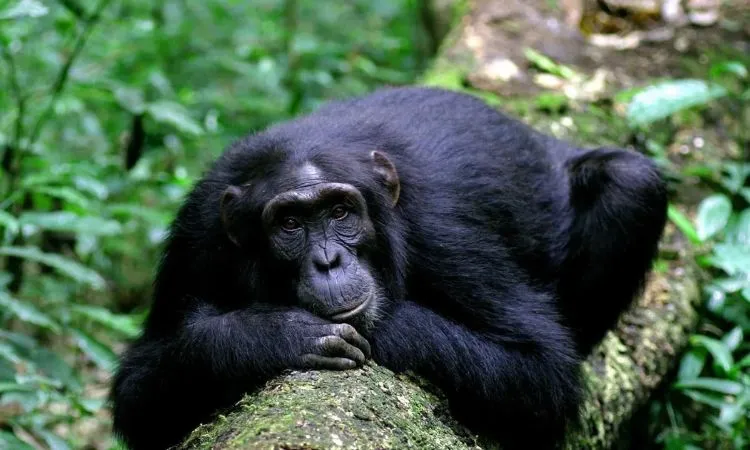
At the forefront are the primates: the star attraction, Kyambura Gorge chimpanzees, a habituated community of around 16-23 individuals led by an alpha named Kihango. These intelligent apes, sharing 98% of their DNA with humans, forage for figs and termites, their pant-hoot calls guiding trekkers through the understory.
You’ll also spot playful troops of black-and-white colobus monkeys, their flowing tails like banners against the green; agile red-tailed monkeys leaping branch to branch; cheeky vervet monkeys chattering from riverbank perches; and olive baboons patrolling the edges in hierarchical packs. Less common but thrilling are sightings of bush babies at dusk, their enormous eyes gleaming in the low light.
Venturing deeper reveals other wildlife that bridges the gorge’s dual worlds. Hippos wallow in the Kyambura River pools, their grunts echoing off the walls, while elusive forest hogs root through the leaf litter.
African Elephants occasionally lumber through, leaving massive footprints in the mud, and bushbucks graze quietly near clearings. The river attracts a menagerie of smaller mammals, from duikers to mongooses, all sustained by the gorge’s perennial water flow.
Birdlife elevates the gorge to avian paradise, with over 300 species recorded in the reserve. Keep your binoculars ready for the flash of iridescent feathers as you navigate the trails.
This blend of savannah edge-dwellers and forest specialists makes Kyambura Gorge wildlife viewing intimate and unpredictable—far from the open plains of the main park, encounters here feel profoundly personal.
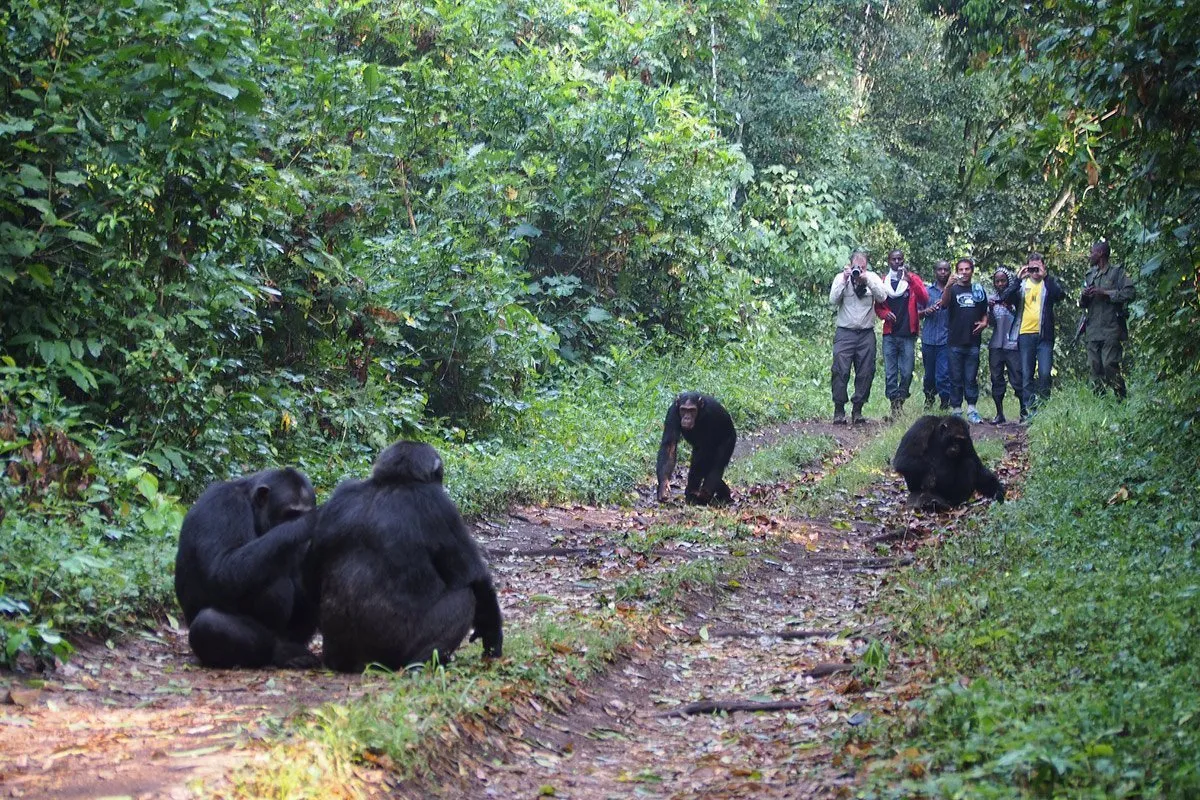
kyambura gorge chimp trekking
No trip to Kyambura Gorge is complete without Kyambura Gorge chimpanzee tracking, the activity that draws global travelers to this remote rift. Often called Kyambura Gorge chimp trekking, it offers a raw, immersive encounter with one of Africa’s most charismatic species in a setting unlike any other chimpanzee habitat.
The process begins at the Fig Tree Camp on the gorge’s western rim, where morning (8:00 AM) and afternoon (2:00 PM) sessions launch after a safety briefing. Groups are capped at 6-8 participants to minimize impact, ensuring a serene experience.
Chimpanzee habituation here dates back to the early 2000s, when researchers patiently acclimated the isolated clan to human presence. Today, this habituated group—cut off from larger populations by habitat fragmentation—roams a compact 16-square-kilometer range, making sightings reliable yet adventurous.
Trekking lasts 2-5 hours, depending on the chimps’ whims; they travel up to 5 kilometers daily in search of food, nests, or social bonds. Guides, armed with knowledge of vocalizations and tracks, lead you down steep, vine-laced paths into the humid forest floor.
The success rate hovers at 50-70%, higher in dry seasons when movement is predictable, but even “misses” yield stunning forest immersion. Once located, you observe for one hour from 7-10 meters away, witnessing grooming sessions, tool-use (like stick-fishing for ants), or dramatic displays of dominance.
Participation requires a moderate fitness level—ages 12+ only, with sturdy boots essential for slippery slopes. No prior experience needed; guides handle navigation through the Kyambura Gorge forest.
For chimp trekking Uganda enthusiasts, this contrasts Kibale’s denser troops by offering a more rugged, exploratory vibe. Permits, known as Chimp trekking permits Uganda, are limited to 16 slots daily, so book via Uganda Wildlife Authority (UWA) or operators.
The thrill of spotting these “lost” chimps in their sunken sanctuary makes Kyambura Gorge chimpanzee habituation a bucket-list must.
Kyambura Gorge Chimpanzee Permit Prices
Searching for Kyambura Gorge chimpanzee permit price? This query spikes among budget-savvy travelers, as the gorge offers exceptional value compared to pricier sites like Kibale ($250 USD).
As of 2025, the Kyambura Gorge chimp trekking price stands at $100 USD per person for foreign non-residents, a recent increase from $50 to reflect conservation needs and rising demand.
Foreign residents pay $100 USD, while East Africans cover UGX 150,000-200,000. This covers one trek and one hour of observation.
Secure permits through UWA headquarters in Kampala or Mweya Information Centre, but tour operators streamline the process, bundling with transport. Book 2-3 months ahead for peak seasons (June-September, December-February), as slots vanish fast.
Add $10-20 USD for park entry and $25 for the guided nature walk to the trailhead. Pro tip: Opt for morning slots for cooler temps and higher chimp activity. At this price, Kyambura Gorge chimp trekking delivers premium primate encounters without breaking the bank—pure Uganda magic.
Birdwatching in Kyambura Gorge
For ornithophiles, Kyambura Gorge birding rivals the park’s savannah spectacles. The gorge’s riverine forest and wetland fringes host over 300 species, blending forest exclusives with wetland wanderers.
Dawn choruses fill the air with melodies as you hike trails, spotting the African finfoot skimming the Kyambura River; the iridescent blue-headed bee-eater hawking insects; the raucous papyrus gonolek in thickets; the Senegal coucal’s bubbling call; and the majestic African fish eagle perched sentinel-like.
Rarities like the Ross’s turaco or white-winged warbler add thrill. Guided walks enhance spotting, making this a serene complement to primate pursuits.
Other Activities Near Kyambura Gorge
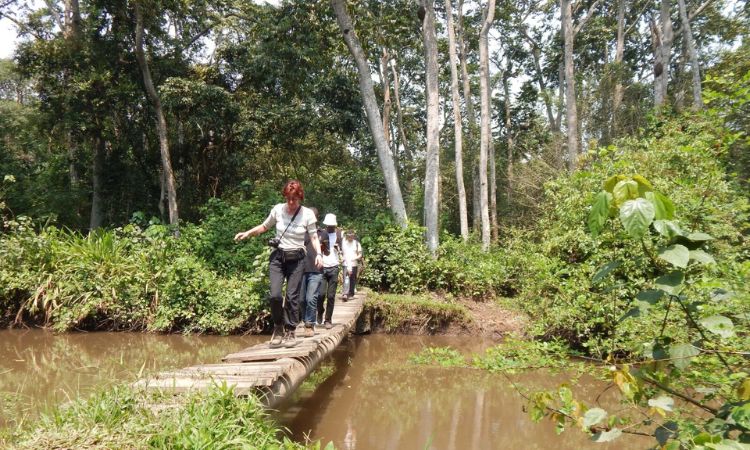
Broaden your horizons with things to do near Kyambura Gorge. Launch into Kyambura Gorge activities like guided Kyambura Gorge hikes—3-hour treks along the river or Fig Tree Trail, descending 100 meters for forest-floor views (sessions at 8 AM/1 PM, groups of 4).
Nearby, game drives in Kasenyi Plains reveal lions and leopards; boat cruises on Kazinga Channel teem with hippos and crocs; Katwe Salt Lake offers cultural salt-mining tours; and Ishasha sector boasts tree-climbing lions. These options create a multifaceted safari, ranking high for long-tail searches.
Best Time to Visit Kyambura Gorge
Timing is key for best time to visit Kyambura Gorge. Dry season (June-September, December-February) shines for chimp trekking Uganda, with firm trails and active primates—minimal rain means easier descents and 70%+ sighting rates. Temperatures hover at 25-30°C, ideal for hikes.
Wet season (March-May, October-November) transforms the gorge into a photographer’s dream, with swollen rivers boosting bird activity and lush greenery, though slippery paths demand caution.
Birders favor rains for migrants; avoid if mobility is a concern. Year-round appeal, but dry months maximize adventure.
How to Get to Kyambura Gorge
Navigating how to get to Kyambura Gorge is straightforward for Uganda explorers. From Kampala, it’s a 420-kilometer, 5-6 hour drive via Masaka-Mbarara highway—paved but potholed in spots; 4×4 recommended.
From Kasese (northern gateway), it’s 80 kilometers (1.5 hours) south. Roads improve post-rain, but check updates. Fly into Kasese or Mweya Airstrips for domestic connections from Entebbe (1-hour flight), then transfer 30-60 minutes. Organized transfers via lodges ease logistics, immersing you in Rwenzori Mountain views en route.
Where to Stay Near Kyambura Gorge
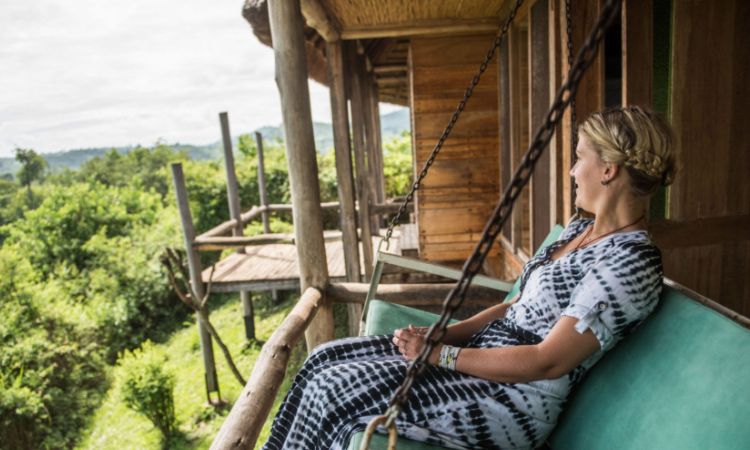
Kyambura Gorge accommodation caters to every budget, ensuring restful bases for your exploits. Luxury seekers adore Kyambura Gorge Lodge, perched gorge-side with eight handcrafted bandas (four deluxe, four standard) offering savannah or canyon vistas, infinity pool, and spa.
Rates start at $400-600 USD per person per night full-board, including activities and drinks (excluding French champagne); community fees add $50/night. For Kyambura Gorge Lodge prices, expect seasonal variances—book direct for deals.
Mid-range gems like Mweya Safari Lodge ($200-300 USD) provide lake views and pools, while Elephant Plains Lodge ($150-250 USD) offers tented comfort.
Budget options include Pumba Safari Cottages ($80-120 USD) with basic charm, and Irungu Forest Lodge ($50-100 USD) for rustic immersion. Enganzi Lodge blends eco-luxury at $150-200 USD. All are within 10-20 kilometers, with shuttles to trails.
Conservation Efforts in Kyambura Gorge
Kyambura Gorge conservation is vital for its fragile inhabitants. The chimpanzee population, isolated by 15 years of habitat loss from agriculture and logging, numbers just 16-23, vulnerable to inbreeding.
Threats like poaching and climate shifts loom, but initiatives thrive: UWA’s habituation programs fund patrols, while community projects in Kyambura Gorge community tourism—like the Volcanoes Safaris Partnership Trust—empower locals via eco-lodges and seedling planting in buffer zones.
Tourism revenue supports corridor restoration to link clans with Maramagambo Forest, widening gene pools. Visitors play a role: low-impact trekking sustains the ecosystem, proving the role of tourism in protecting the gorge. Join guided talks to learn more—your visit aids this noble cause.
Practical Tips for Visitors
Arm yourself with Kyambura Gorge travel tips for seamless adventures. Wear sturdy boots, long sleeves, and rain jackets—the descent is steep and buggy; insect repellent is non-negotiable. Moderate fitness is required for Kyambura Gorge hike trails, involving 1-2 hours of inclines.
Photography tips: Use fast shutters for swinging chimps; wide-angle lenses capture canyon drama. Safety first: Stay with guides, no touching primates, and carry water/snacks.
Pack binoculars, sunscreen, and ID for permits. As your Kyambura Gorge guide, we recommend early starts to beat heat and crowds.
FAQ: Kyambura Gorge Essentials
Is Kyambura Gorge worth visiting? Absolutely—its unique underground forest and intimate chimp encounters offer a rare blend of adventure and serenity, distinct from Uganda’s busier parks.
How difficult is chimpanzee tracking in Kyambura Gorge? Moderately challenging: 2-5 hours of hilly terrain suits fit adults (12+), but guides assist; it’s less strenuous than mountain gorilla treks.
How many chimpanzees are in Kyambura Gorge? Around 16-23 in the habituated group, part of a small, isolated population emphasizing conservation urgency.
What makes Kyambura Gorge unique? Its sunken rainforest amid savannah, “lost” chimps, and rift-carved drama create an otherworldly escape, plus affordable access to primates.
Why You Must Visit Kyambura Gorge – Book with All Uganda Safaris Today!
Kyambura Gorge isn’t just a destination; it’s a portal to Uganda’s soul—where ancient rifts cradle vibrant life, and every trail whispers stories of resilience and wonder.
From heart-pounding Kyambura Gorge chimp trekking to tranquil birding along the Kyambura River, this “Valley of Apes” delivers transformative experiences that linger long after the mist clears.
We’ve covered the essentials, but the real magic unfolds on-site, amid the calls of elusive primates and the rustle of unseen wings.
As All Uganda Safaris, we’re passionate stewards of these treasures, crafting bespoke journeys that blend expertise with exclusivity. Imagine your custom itinerary: private transfers, guaranteed permits, stays at Kyambura Gorge Lodge, and seamless extensions to Ishasha’s lions or Kazinga’s hippos.
Our exclusive Uganda safari packages start from as low as $1,500 per person for 5-day escapes, including all meals, activities, and insider access—tailored for families, couples, or solo explorers.
Don’t just dream of the gorge; live it. Contact us now to secure your spot. Uganda awaits—let All Uganda Safaris make it legendary. Your adventure begins today!